
Free written scope consultation - allowances, timeline, and change-order rules on paper before a single trade is scheduled
Plant Prefab Home Additions & ADU: The Jacksonville Owner’s Guide
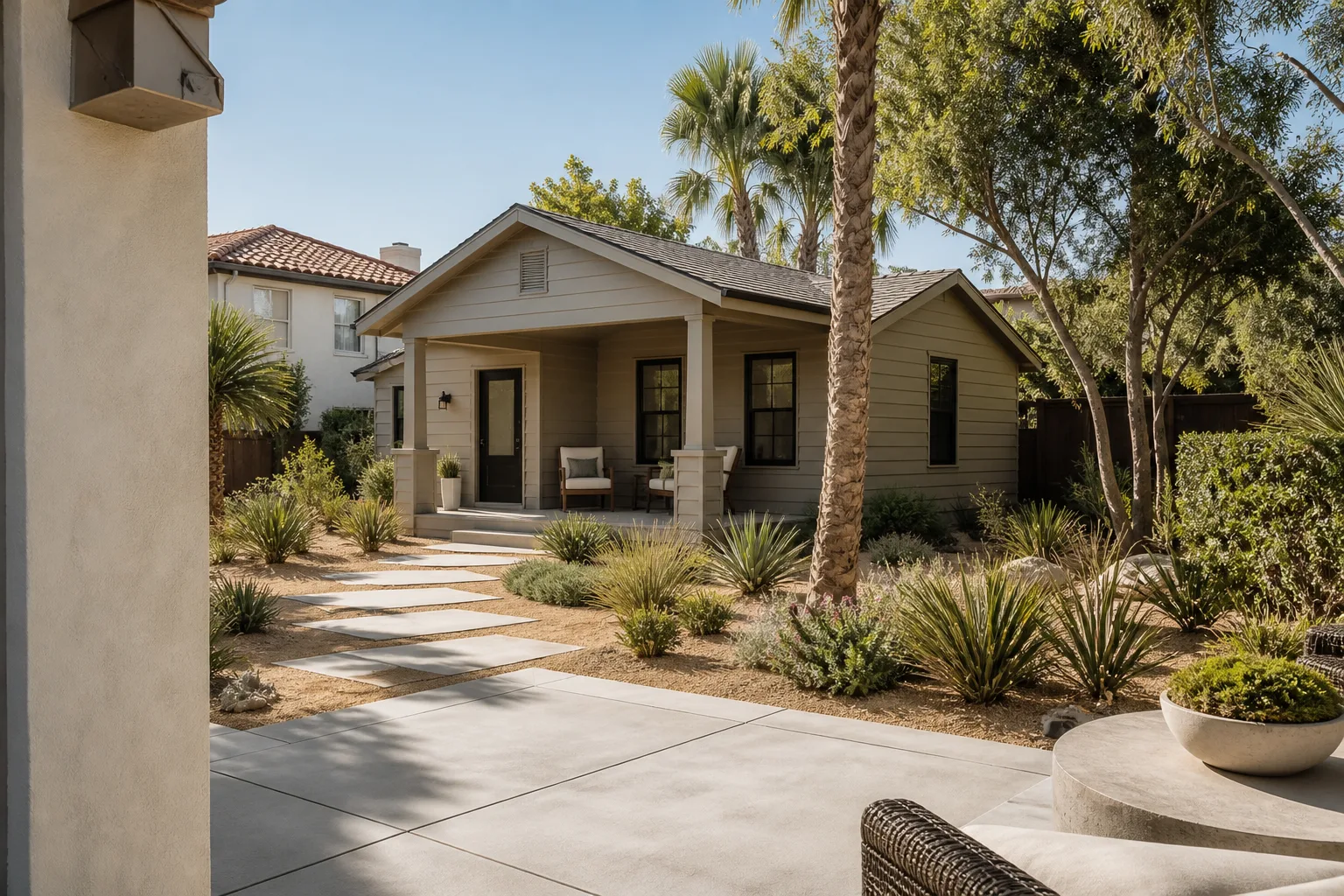
A Plant Prefab home addition or ADU in Jacksonville typically runs $45,000 to $130,000 installed, depending on square footage, site prep, foundation work, and finish level. We match prefab structural components to existing Plant Prefab systems and handle the full installation, from permits to final inspection. Most owners call us after discovering that a prefab wall panel, roof cassette, or connector point has failed due to moisture intrusion at the joint, which is where we see the majority of problems in Florida’s humidity.
The usual first sign is a visible gap or separation at the panel seam, often accompanied by peeling drywall tape or a musty smell in one corner of the addition. In Jacksonville’s climate, thermal expansion and seasonal humidity cycles put constant stress on prefab panel connections. Over time, the manufacturer’s sealant breaks down, fasteners loosen, and water finds its way in. By the time you see the stain, the substrate behind it has usually been wet for a while. We’re a Jacksonville-based independent contractor, not affiliated with Plant Prefab, but we work with their panel systems regularly and know where they fail.
Which Plant Prefab Models This Applies To
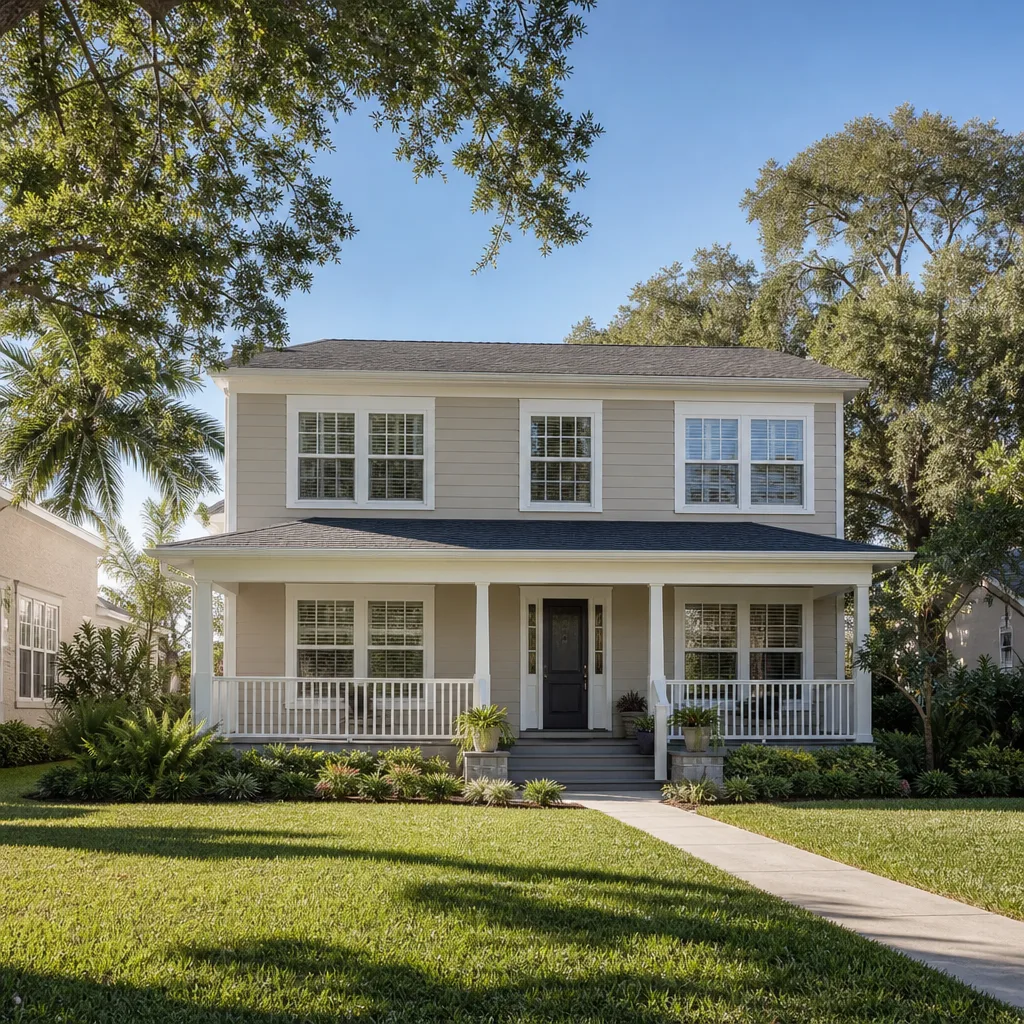
Plant Prefab builds custom and semi-custom homes using their patented panelized system, which includes wall panels, floor cassettes, and roof assemblies manufactured off-site. The key compatibility issue with Plant Prefab additions in Jacksonville is panel dimension matching. Plant Prefab panels are fabricated to precise module grids, typically in 2-foot increments, and any site-built infill framing must match that module or you’ll end up with odd trim reveals and mismatched wall plane alignments. We measure every existing panel before ordering or fabricating matching components, because a 3/8-inch deviation at the foundation translates to a visible seam at the ceiling line.
For OEM versus aftermarket decisions: Plant Prefab panels are proprietary, and replacement panels come directly from the manufacturer with long lead times. In most Jacksonville retrofit situations, we build a site-matched equivalent using LVL framing, engineered shear panels, and closed-cell insulation to match the thermal performance of the original system. The functional result is equivalent or better, especially for moisture resistance in Florida, since we flash the joints to residential code standards rather than relying on the factory sealant detail. We also maintain compatibility documentation for KraftMaid, Cambria, and Silestone interior finishes often specified in Plant Prefab projects, so the interior build-out matches the original design intent.
Styles & brands we work with







Signs Your Plant Prefab Home Additions & ADU Is Failing
- Panel seam separation at interior corners. This is the earliest and most common failure point. The factory sealant loses elasticity after five to seven years in Jacksonville’s heat and humidity, and the panels begin to work independently. You’ll see a hairline crack that widens seasonally.
- Soft spots in the subfloor near exterior walls. Water entering through a failed flashing detail at the rim joist travels inward and rots the OSB subfloor. By the time you feel sponginess underfoot, the damage typically extends into the floor cassette framing.
- Musty odor that won’t clear with ventilation. A persistent smell localized to one corner or wall cavity usually means mold growth behind the panel’s interior finish. The panel cavity holds moisture, and the closed-cell insulation makes it hard for that moisture to escape once it enters.
- Windows and doors that stick seasonally. When a prefab panel connection loosens, the wall loses stiffness. The panel shifts slightly with temperature swings, and openings that were square at installation begin to rack out of tolerance.
- Cracking in the interior gypsum at ceiling-to-wall intersections. This indicates differential movement between the roof cassette and the wall panel. In Jacksonville, we see this most often on south-facing walls where sun exposure creates the greatest thermal expansion.
See the difference
 Before
 After
After Before
 After
After Before
 After
AfterReplacement Cost & What’s Included
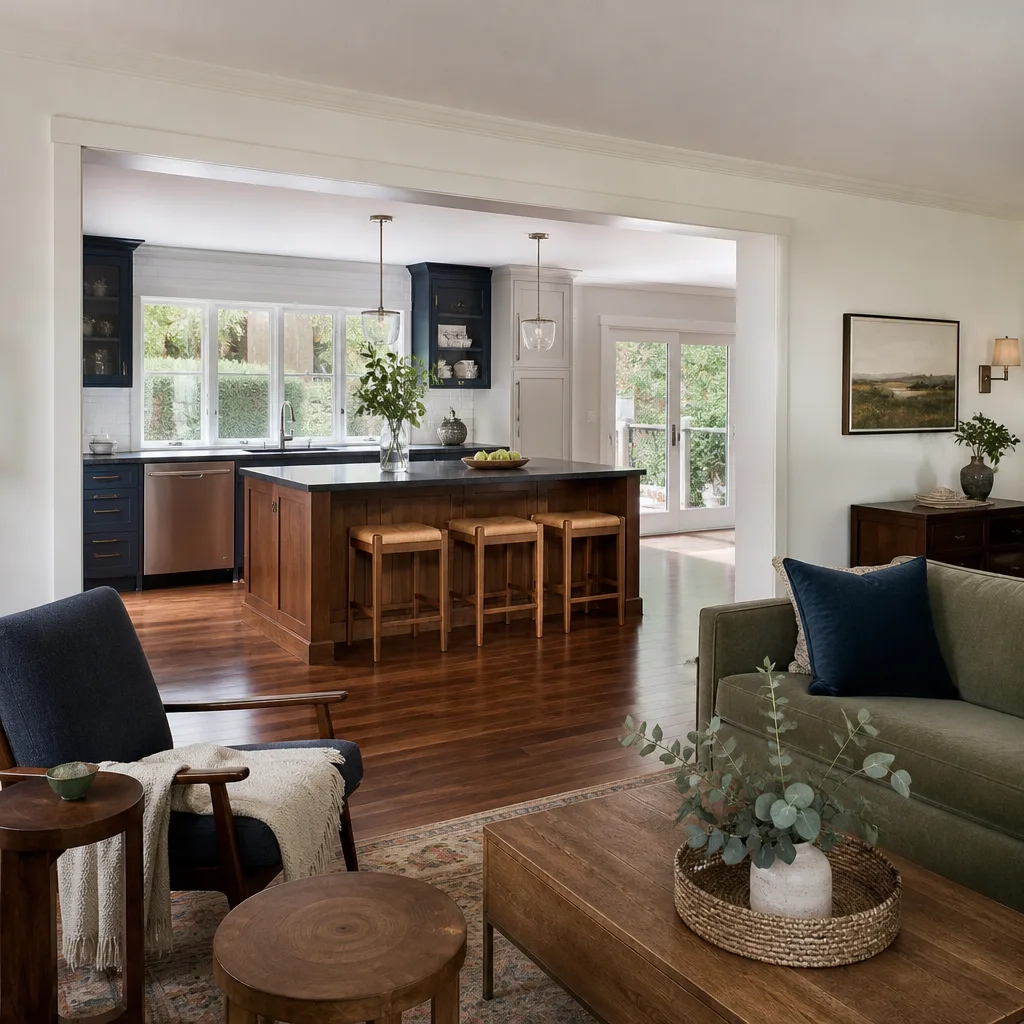
For a Plant Prefab addition or ADU in Jacksonville, plan on $45,000 to $130,000 installed. The lower end covers a modest addition under 400 square feet with basic finishes. The upper end reflects a full ADU with kitchen, bath, separate utility connections, and mid-range finishes. Here’s how the numbers break down:
| Scope Item | Typical Jacksonville Range |
|---|---|
| Full home addition (permitted, site-matched panel replacement) | $45,000 – $130,000 |
| ADU construction (standalone, full utilities) | $90,000 – $220,000 |
| Garage conversion using panel-matched infill | $30,000 – $80,000 |
| Failing panel joint repair (isolated, no full rebuild) | $3,000 – $9,000 per affected wall section |
Every quote from Bradford Remodeling Co Jacksonville includes a written line-item breakdown before work starts. We hold to that number: no change orders at the door, no surprise line items at closeout. The Garrison Standard requires a written price before any work begins, and every completed project carries the 365-Day Done Right Promise: if the work doesn’t hold within a year, we come back and correct it at no charge. The job site is cleaned, the scope is documented, and the signed written guarantee is in your hand at close.
DIY or Call Us?
You can safely check for visible seam separation, water stains, and soft spots in the subfloor from outside the wall cavity. Document what you find with photos and measurements so a contractor can assess the scope quickly. What you should not do is open the wall panel yourself. Prefab panels are structural; cutting into one without understanding the load path can destabilize the adjacent panels and void any remaining manufacturer coverage. The panel connections carry vertical loads from the roof cassette, and disconnecting them improperly is a structural safety issue.
The right first step is a diagnostic visit. We’ll inspect the panel connections, identify the water entry point, and give you a written scope with a fixed price. Call (904) 337-5929 to schedule a walkthrough.
FAQs
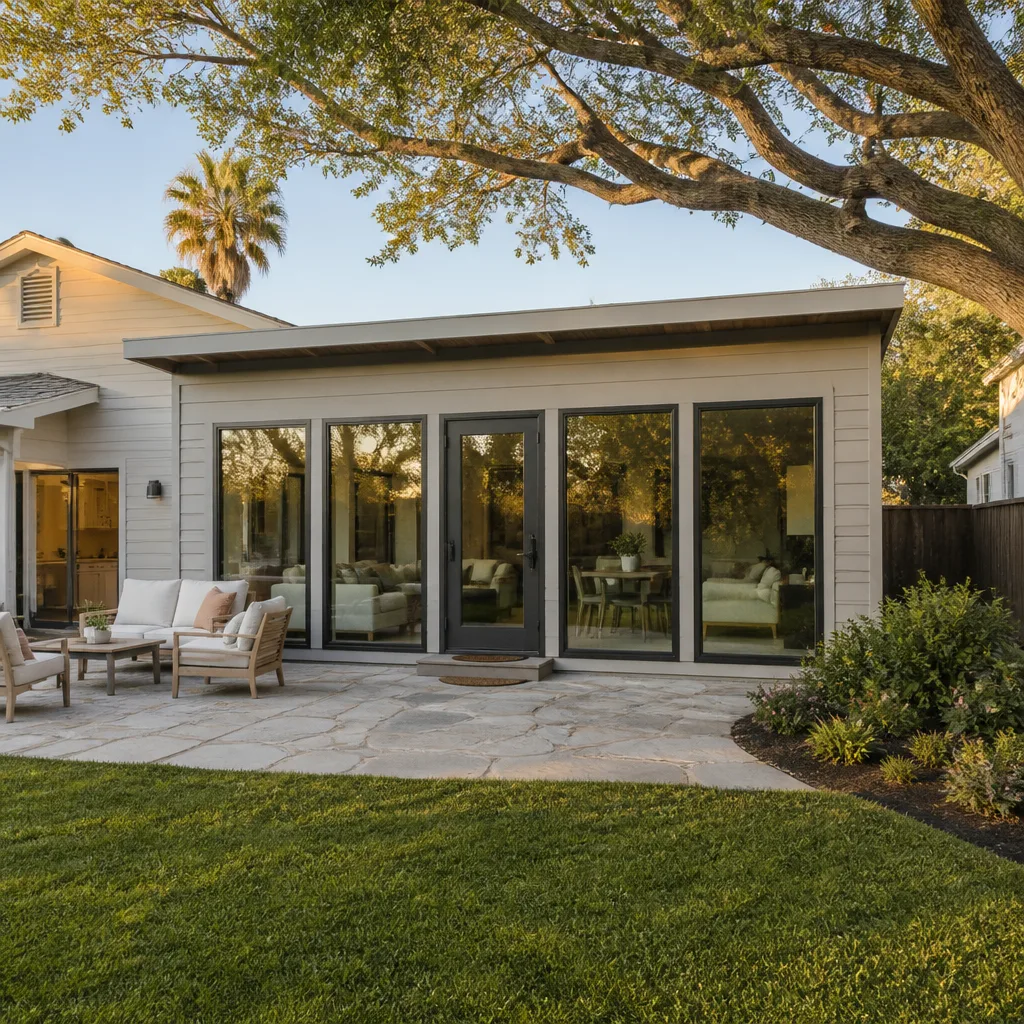
A properly flashed and sealed Plant Prefab panel connection should hold for 10 to 15 years in Jacksonville’s climate before the sealant requires replacement. That’s the reality of Florida humidity and thermal cycling, not a defect in the system. We re-seal and re-flash panel joints as part of most addition and ADU scopes.
Most failed panel connections can be repaired without replacing the panel. We open the interior finish, inspect the framing and substrate, replace any rotted material, re-fasten the panel to spec, and re-flash the exterior joint. Full panel replacement is only necessary when the structural framing itself has rotted beyond point repair, which happens in roughly one of five Jacksonville callouts. Call (904) 337-5929 for a diagnostic inspection and written scope.
An isolated panel joint repair takes two to four working days from start to final paint. A full addition or ADU in Jacksonville runs 10 to 20 weeks depending on permitting, utility connections, and finish scope. We give you the schedule in writing at the quote and hold to it.
We stock the common site-matching materials on our trucks: LVL framing lumber, structural sheathing, closed-cell insulation, flashing, and panel-rated fasteners. Plant Prefab OEM panels are special-order, but in most Jacksonville retrofit situations we build site-matched equivalents that perform equal or better in Florida’s moisture conditions. We’ll tell you which approach makes sense for your specific job, with the cost difference in writing.
Written by Curtis Lane, Owner, Bradford Remodeling Co Jacksonville, serving Jacksonville and nearby areas.


