
Free written scope consultation - allowances, timeline, and change-order rules on paper before a single trade is scheduled
GAF Home Additions & ADU: The Jacksonville Owner’s Guide
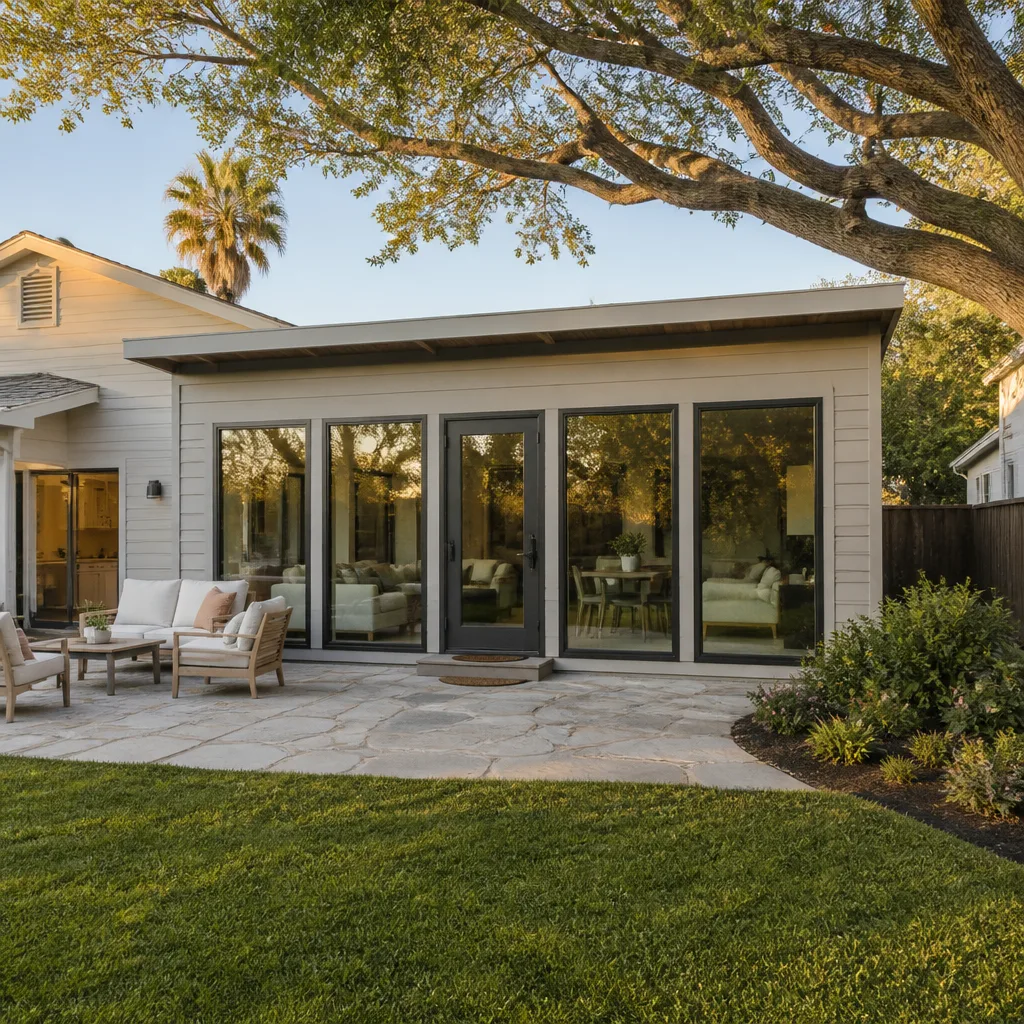
When you’re planning a home addition or ADU in Jacksonville and your roof needs to tie into the existing GAF system, you’re looking at a project that typically runs $45,000 to $130,000 depending on square footage, foundation work, and whether it’s an attached addition or a detached ADU. We handle GAF-compatible additions and ADUs end to end, from the first framing inspection through final roof tie-in and flashing. Most homeowners discover a problem when they see water staining along the old roof-to-new wall transition, or when a previous contractor’s flashing was never properly integrated into the GAF shingle system.
What we see too often in Jacksonville is a homeowner who hired a general contractor for the room addition, and a separate roofer who didn’t know how to marry the new roof plane to the existing GAF deck. The result is a seam that leaks inside eighteen months. Our crews handle both scopes as one job, so the roof integration isn’t an afterthought. We use GAF shingles, underlayment, and accessory products on the new roof section, which keeps the manufacturer’s system warranty intact where it applies.
Which GAF Models This Applies To
This work applies to any Jacksonville home with an existing GAF roofing system where an addition or ADU requires a new roof plane that ties into the old one. The critical compatibility question isn’t just the shingle line, although Timberline HDZ, Timberline UHDZ, and Royal Sovereign all have different exposure profiles. It’s the underlayment, ice and water shield, and flashing details at the transition. When we tie into an existing GAF system, we match the shingle line wherever possible and document it in the project scope before work begins.
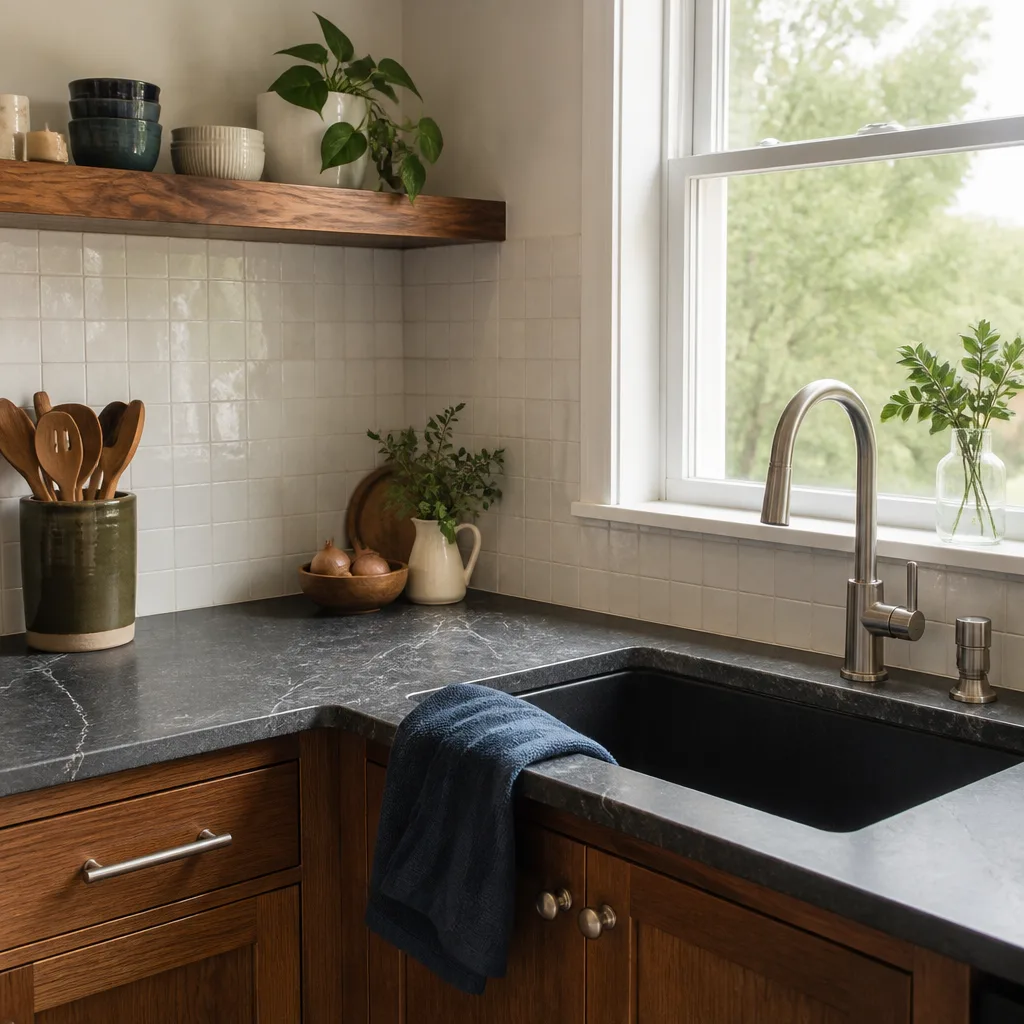
A practical gotcha we’ve learned over years of Jacksonville work: GAF shingle color lots shift over time. A Timberline HDZ in Weathered Wood installed five years ago will not be a perfect match to a new pallet of the same color name today, because UV exposure has already begun changing the original shingles. We pull the existing shingle sample, match it as closely as available stock allows, and tell you plainly if there will be a visible difference at the transition line before we ever order materials. That’s the kind of thing that gets written into your scope, not discovered at the end of the job. The OEM-versus-aftermarket decision here is straightforward: for roof tie-ins we use GAF products, period. Mixing manufacturers across a connected roof plane voids the GAF system warranty and often creates uneven wear patterns in Florida’s heat and humidity cycles. We also work with CertainTeed and Owens Corning for homeowners whose existing roof is one of those brands, and KraftMaid, Cambria, and Silestone are among the interior material lines we carry for the build-out side of the addition.
Styles & brands we work with







Signs Your GAF Home Addition or ADU Roof Tie-In Is Failing
- Water staining at the old roof-to-new wall seam. This is the number one failure point in Jacksonville additions. The cause is almost always improper step flashing or a missing kickout flashing where the new wall meets the old roof plane, letting water run behind the siding instead of into the gutter.
- Shingle curling or lifting along the transition ridge. When the new roof deck was not properly ventilated or the nails missed the rafters at the seam, the shingles at the connection point heat up unevenly and start lifting within two seasons of northeast Florida sun.
- Visible gaps or caulk failure where the addition roof meets the main house. Caulk is a temporary patch, not a roofing detail. We see it on cheap addition jobs all the time. It shrinks, cracks, and lets water in within a year. The right fix is a metal transition flashing, integrated under the shingles on the high side and over the shingles on the low side.
- Unexplained moisture or mold in the new room’s ceiling or wall cavity. By the time you see it on drywall, the leak has been working for months. The source is usually at the roof intersection above, not the wall itself. We trace it back to the flashing before opening up any interior finishes.
- Sagging or soft decking where the addition roof meets the old structure. Jacksonville’s summer afternoon downpours put real water volume on roof transitions. If the original addition builder skipped proper underlayment at the seam, the OSB or plywood starts swelling and losing its nail grip. That’s a structural issue, not a cosmetic one, and it needs a full deck inspection.
See the difference
 Before
 After
After Before
 After
After Before
 After
AfterReplacement Cost & What’s Included
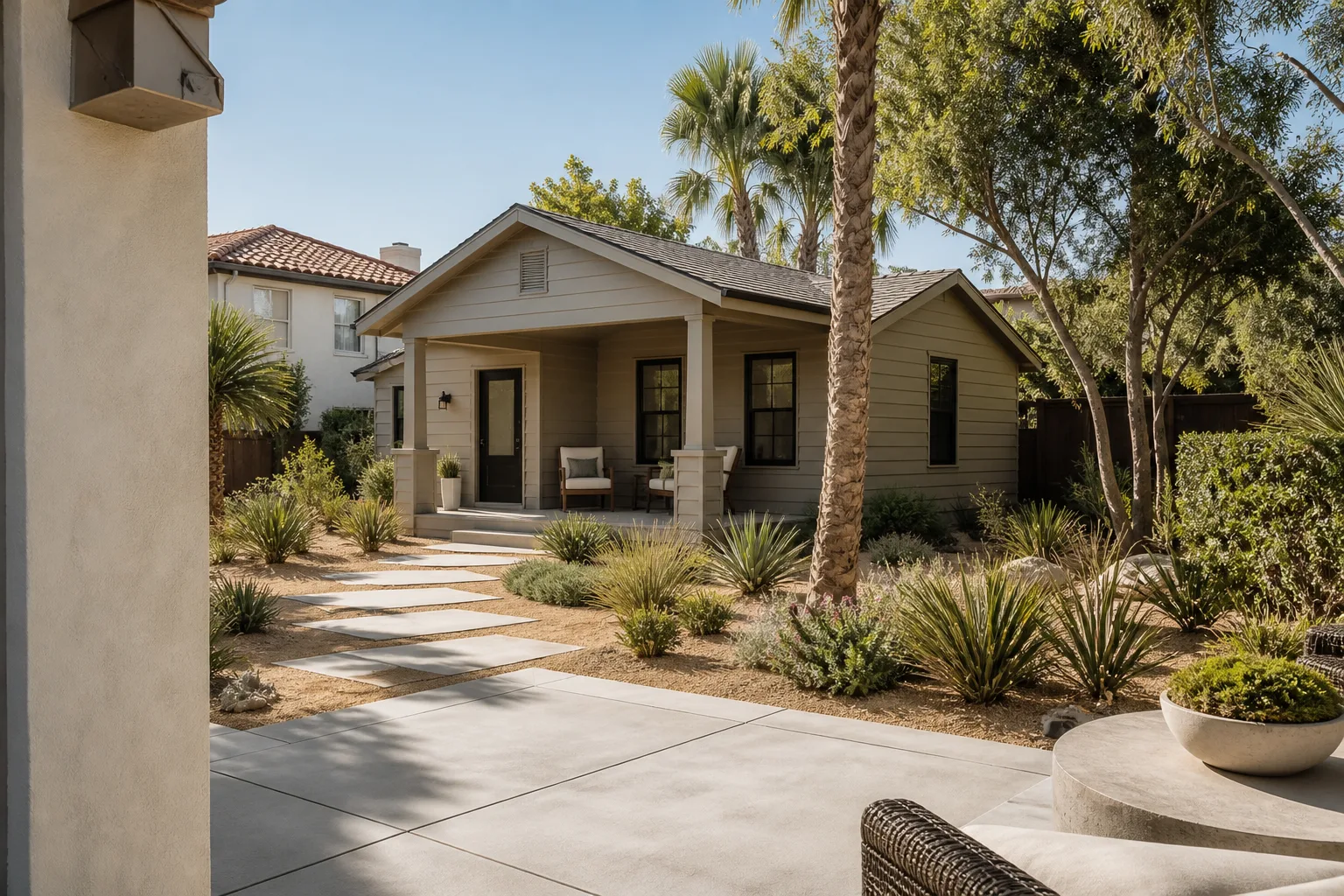
For a GAF-compatible home addition in Jacksonville, you’re looking at $45,000 to $130,000 as an installed range. ADU construction runs $90,000 to $220,000 depending on foundation requirements, utility connections, and whether the structure is attached or detached. A garage conversion into living space sits between $30,000 and $80,000. These are written-price ranges, not ballpark guesses, and the number you get before work starts is the number you pay, no renegotiation at the door.
What drives the range? Square footage is the obvious one, but in Jacksonville the bigger variables are foundation type (slab versus raised pier, and whether soil reports require additional reinforcement), the condition of the existing roof deck where the new roof ties in, and whether your panel has capacity for the new electrical load. Every scope we write includes the roof tie-in with GAF materials, structural framing, exterior wall sheathing and wrap, rough-in for utilities, and the written 365-Day Done Right Promise on the completed work. Parts and labor are itemized separately on the quote, so you know exactly what you’re paying for.
DIY or Call Us?
If you’re considering a DIY approach to any part of this, understand one thing first: the roof tie-in on a home addition is not a handyman job and it’s not a place to learn. Improper flashing at the intersection of two roof planes is the most common source of structural water damage we find in Jacksonville homes, and the fix often costs more than the original addition. A homeowner can certainly inspect the visible transition: look at the shingle placement, check for cracked caulk, and watch for daylight through the seam from inside the attic. What you should not do is climb up and start pulling shingles to “see what’s underneath.” Steep roof work and exposed nail patterns on a Florida roof in summer heat is how people end up sliding off a roof deck.
What we can do that a DIY can’t: pull the permit, pass the inspection, and hand you a signed written guarantee that covers the work for a full year. That’s the Garrison Standard, and it’s non-negotiable on every Bradford Remodeling Co Jacksonville job. Curtis Lane has been managing crews across the Southeast since he learned the trade at Los Angeles Trade-Technical College, and the one thing he’ll tell you is this: scope it right the first time, the job goes a lot smoother when nobody’s surprised. Call (904) 337-5929 and we’ll walk the site, measure the existing roof, and put a written number in front of you.
FAQs
A GAF roof tie-in done with correct step flashing, kickout flashing, and matched underlayment should last as long as the roof system itself, typically 20 to 30 years in Jacksonville’s climate. The failure point is almost never the shingles. It’s the flashing detail at the wall-to-roof transition, and that’s where we spend the most time on every addition job. Call (904) 337-5929 if you suspect an existing tie-in was done without proper flashing.
Yes, in many cases a failing transition flashing can be removed and reinstalled without tearing off the entire roof. The condition is that the surrounding decking and underlayment are still sound. We’ll cut back the affected area, inspect the deck, and rebuild the flashing detail with GAF-compatible materials. If the deck has been wet long enough to soften, that section gets replaced as part of the same repair. Estimates are free, and the written price doesn’t move once it’s set.
For a typical Jacksonville addition, the roof tie-in itself is a two to three day process within a larger build that runs eight to sixteen weeks from permit to final inspection. The roof work comes after the new framing and sheathing are up, and before any interior finish work starts, so it has to be sequenced correctly. We schedule it as one continuous phase, not a separate visit from an outside roofer.
We order GAF shingles, underlayment, and flashing specifically for each job based on the existing roof’s age, color lot, and profile. We don’t keep pallets of shingles sitting in a yard because Jacksonville heat and humidity degrade stored materials. What we do keep on hand are the flashing components, fasteners, and accessory pieces that fail most often, so a repair doesn’t wait on a supply order. Call (904) 337-5929 and tell us what you’re seeing at the seam.
Written by Curtis Lane, Owner, Bradford Remodeling Co Jacksonville at Bradford Remodeling Co Jacksonville, serving Jacksonville and nearby areas.


