
Free written scope consultation - allowances, timeline, and change-order rules on paper before a single trade is scheduled
CGI Home Additions & ADU: The Jacksonville Owner’s Guide
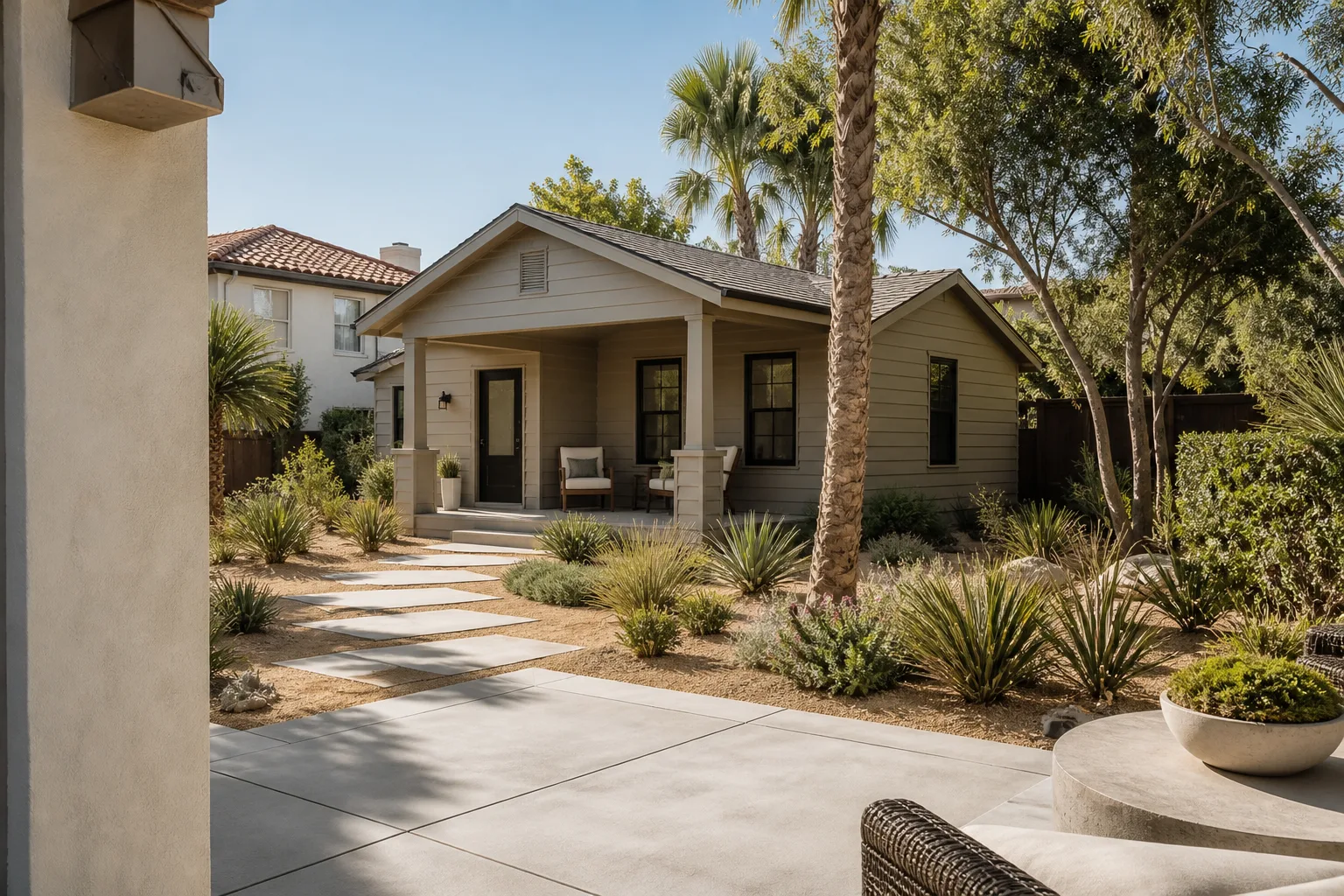
If you’re looking at a CGI home addition or ADU that’s showing signs of failure in Jacksonville, the installed replacement or repair typically lands between $45,000 and $130,000 depending on the scope, the condition of the existing structure, and what has to be rebuilt from the slab up. Most homeowners discover the problem the same way: a crack that starts at a corner and walks across the wall, a door that suddenly won’t latch, or water staining where the addition ties into the original roofline. We stock and install the components that keep these additions structurally sound, and we match materials to what’s already on your house so the repair doesn’t look like a patch job.
Which CGI Models This Applies To
CGI home additions in Jacksonville are typically permitted, engineered additions that tie into the original structure through a ledger connection along the existing wall and a continuous concrete footing below. The most common failure points we see are the tie-in flashing, the sill plate at the foundation, and the subfloor at the transition between old and new. When we walk a job, we’re looking at whether the addition was built under the current Florida Building Code, which in Jacksonville means wind-load requirements that went into effect after the 2004-2005 hurricane seasons. A pre-2004 addition with inadequate strapping or anchor bolts is a different job than a post-code build, and the price reflects that. If the original CGI panels or framing members need replacement, we source OEM-spec materials where they’re still available, and we’ll give you the engineering data on any aftermarket equivalent we recommend before you spend a dollar.
Styles & brands we work with







Signs Your CGI Home Addition or ADU Is Failing
- Cracks at the corners where the addition meets the main house. This usually means differential settling: the addition’s footing wasn’t tied to the original foundation, and the two structures are moving at different rates. Jacksonville’s clay-heavy soils expand and contract with our wet summers and dry winters, which makes this problem worse over time.
- Water staining or soft spots at the roofline tie-in. The flashing where the new roof meets the old roof is the single most misinstalled detail we see on additions. When it fails, water works its way under the shingles and rots the roof decking before you see it on the ceiling.
- Doors or windows that stick seasonally. A door that only catches in August or January signals framing movement. That’s not a hinge adjustment, that’s a structural symptom, and it’s worth getting looked at before the shift opens up gaps in the weather barrier.
- Sagging floors at the transition between the original home and the addition. The subfloor joint between old and new was either not blocked or the joists were undersized when the space was framed. Jacksonville’s humidity accelerates rot in any of that framing that got wet early.
- Visible mold or mildew on interior walls in the addition. That tells us moisture is getting past the vapor barrier somewhere, usually at the base plate or around window rough-ins. It’s a sign the water has been there a while, not a surface cleaning issue.
See the difference
 Before
 After
After Before
 After
After Before
 After
AfterReplacement Cost & What’s Included
In Jacksonville, a full home addition runs $45,000 to $130,000 installed, and an ADU construction project lands between $90,000 and $220,000 if you’re building from the slab up. For a repair on an existing addition, like replacing a failed tie-in, rebuilding a sagging floor system, or re-flashing a roofline junction, the number depends on how far the rot or movement has traveled. What’s included: our written price before any work starts covers materials, labor, dump fees, and the permit pull with inspections passed. We don’t hand you a number and then come back with change orders mid-job. The 365-Day Done Right Promise backs every repair or replacement – if the work doesn’t hold within a full year, we return and correct it at no charge. That’s in writing, with your signed guarantee in hand before your final payment clears.
DIY or Call Us?
There are things you can safely check yourself. Walk the perimeter and look for cracked stucco or separated trim at the addition corners. Check that downspouts are moving water away from the foundation. Note whether doors stick in specific months. What you shouldn’t do is open up the wall or the soffit on a failed tie-in. By the time water staining is visible inside, the framing behind it may be structurally compromised, and you’re pulling on boards that are holding weight. That’s how a $1,500 diagnosis becomes an emergency room visit. If you’re seeing any of the five warning signs above, call (904) 337-5929 and we’ll come out, put eyes on it, and tell you exactly what it needs, what it costs, and what you can defer. There’s no charge for the estimate.
FAQs
With proper construction, a code-built addition should last 50 years or more, but the weak points have shorter lifespans. Roof flashing typically needs attention every 10 to 15 years, and exterior caulking at window penetrations should be replaced every 5 to 7 years in Jacksonville’s heat and humidity. The structure itself is only as good as the original connection between old and new. Call (904) 337-5929 and we’ll inspect the tie-in and tell you what kind of service life you’re actually looking at.
Most failing additions can be repaired without a full rebuild. The exception is when the foundation itself has moved beyond what slab jacking or underpinning can correct, or when more than about 30% of the framing has water damage. A full teardown and rebuild is rare, and we’ll tell you honestly if you’re in that territory. Estimates are free, so you’ll know the real number either way.
A typical tie-in repair or floor structural correction takes 1 to 2 weeks once permits are approved. Larger jobs like a full re-frame or foundation work can run 4 to 6 weeks, and Jacksonville’s permit review cycle at the city level is usually 2 to 3 weeks before we can start. We put the schedule in writing with the price, so you know the timeline before you commit.
For most CGI addition repairs, the structural lumber, flashing, fasteners, and sheathing are on our supplier’s shelves locally, so we’re not waiting on a factory order. If your addition uses specific CGI panel products or custom millwork, that’s a special order with a 1 to 3 week lead time. We’ll tell you which it is before you sign anything. Call (904) 337-5929 for a free estimate and we’ll walk the job with you.
Written by Curtis Lane, Owner, Bradford Remodeling Co Jacksonville at Bradford Remodeling Co Jacksonville, serving Jacksonville and nearby areas.


