
Free written scope consultation - allowances, timeline, and change-order rules on paper before a single trade is scheduled
Tuff Shed Home Additions & ADU: The Jacksonville Owner’s Guide
A Tuff Shed home addition or ADU conversion in Jacksonville typically runs $45,000 – $130,000 fully permitted and built to code, depending on square footage, foundation work, and whether you’re converting an existing shed or building a habitable structure from scratch. Most owners realize they’ve hit a wall when the shed’s original shell isn’t rated for insulation, plumbing rough-in, or the wind loads we get during hurricane season. The shed itself was never the weak link; what fails is the assumption that a storage building can become living space without structural upgrades, a proper slab or pier system, and a mechanical plan that passes Duval County inspection. We stock the materials, pull the permits, and handle the conversion from shell to finished space.
Here’s what most people don’t know until they’re halfway in: Tuff Shed shells are built to storage specs, not residential code. The floor joists, wall framing, and roof structure are fine for a mower and some shelving. Turn it into a bedroom or a rental unit and you’re now under Florida Building Code Chapter 12 for accessory structures, plus Jacksonville’s zoning rules for ADUs. That means engineered tie-downs, insulation minimums, egress windows, and a foundation that won’t shift in sandy Florida soil. We’ve done enough of these in Jacksonville to know where the inspector’s going to look first.
Key takeaways:
- Typical Tuff Shed ADU conversion in Jacksonville: $45,000 – $130,000, permitted and finished.
- The shed shell is rarely the problem. Foundation, insulation, and mechanical rough-in are where costs and failures concentrate.
- We provide a written price before work starts, and every conversion carries our 365-Day Done Right Promise in writing.
- Call (904) 337-5929 for a free estimate with a line-item scope.
Which Tuff Shed Models This Applies To
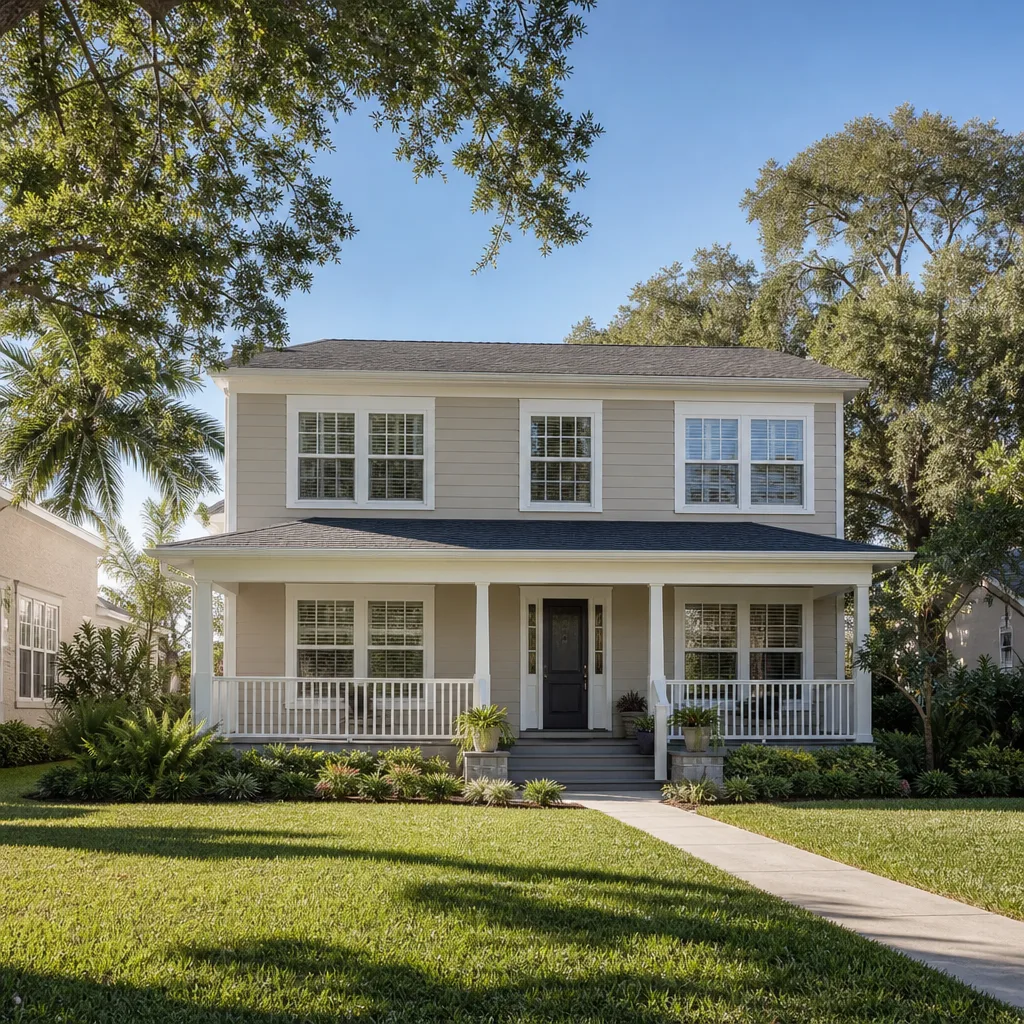
We work with the full Tuff Shed line you’ll find across Jacksonville: the Premier PRO series, the Premier Ranch, the Sundance, and the Tall Barn, among others. For home additions and ADU work, the model matters less than what’s under the siding. What we’re checking first is floor framing depth (most Tuff Shed floors are 2×4 or 2×6 joists at 16″ on center, which may need reinforcement for residential live loads), wall stud spacing, and whether the roof structure can carry a real ceiling assembly once you add insulation and drywall.
Here’s a compatibility gotcha we see on a lot of Jacksonville jobs: some Tuff Shed shells ship with untreated bottom plates and no moisture barrier under the floor. Set that on a slab or piers in Florida humidity, and you’ll see rot at the sill plate within five to seven years. If you’re converting a shed that’s been sitting on blocks for a while, we’re going to want a look underneath before we quote anything. The fix is straightforward, but you can’t insulate over a failing base and call it done.
On the OEM-vs-aftermarket decision: we don’t chase Tuff Shed-branded components for the conversion itself. The shell is Tuff Shed; the parts that make it habitable are code-driven and we spec them ourselves. That means name-brand materials with traceable warranties: CertainTeed insulation, GAF or Owens Corning for any roof work, James Hardie for siding patches, Therma-Tru for exterior doors. We also stock and install KraftMaid, Cambria, and Silestone for interior finishes when the ADU includes a kitchenette or bath. You get the shed you already own, upgraded with materials that have manufacturer specs behind them, not whatever was cheapest at the lumberyard.
Styles & brands we work with







Signs Your Tuff Shed Home Additions & ADU Is Failing
- Floor bounce or soft spots near the walls. This usually means the rim joist or sill plate is rotting where moisture wicked up from grade or from slab contact. Jacksonville’s humidity makes this the single most common failure point we address.
- Musty smell that won’t air out. Shed shells aren’t vapor-sealed like residential structures. Without a proper moisture barrier and ventilation plan, you get condensation inside the wall cavities, and that smell is the first sign of hidden mold.
- Doors that no longer square up. If the shed has shifted on piers or a thin slab, door frames bind and deadbolts start catching. That’s settlement, and it tells you the foundation isn’t carrying the structure evenly anymore.
- Visible staples or fasteners backing out of the siding. Tuff Shed uses metal fasteners on exterior panels, and expansion and contraction from Florida heat cycles will slowly work them loose. It’s cosmetic at first, but it’s also a water intrusion path.
- Interior wall surface buckling or staining after rain. Storage-grade siding was never meant to be a permanent weather barrier for living space. If you’re seeing bubbling paint or water trails inside after a storm, the envelope has already failed.
See the difference
 Before
 After
After Before
 After
After Before
 After
AfterReplacement Cost & What’s Included
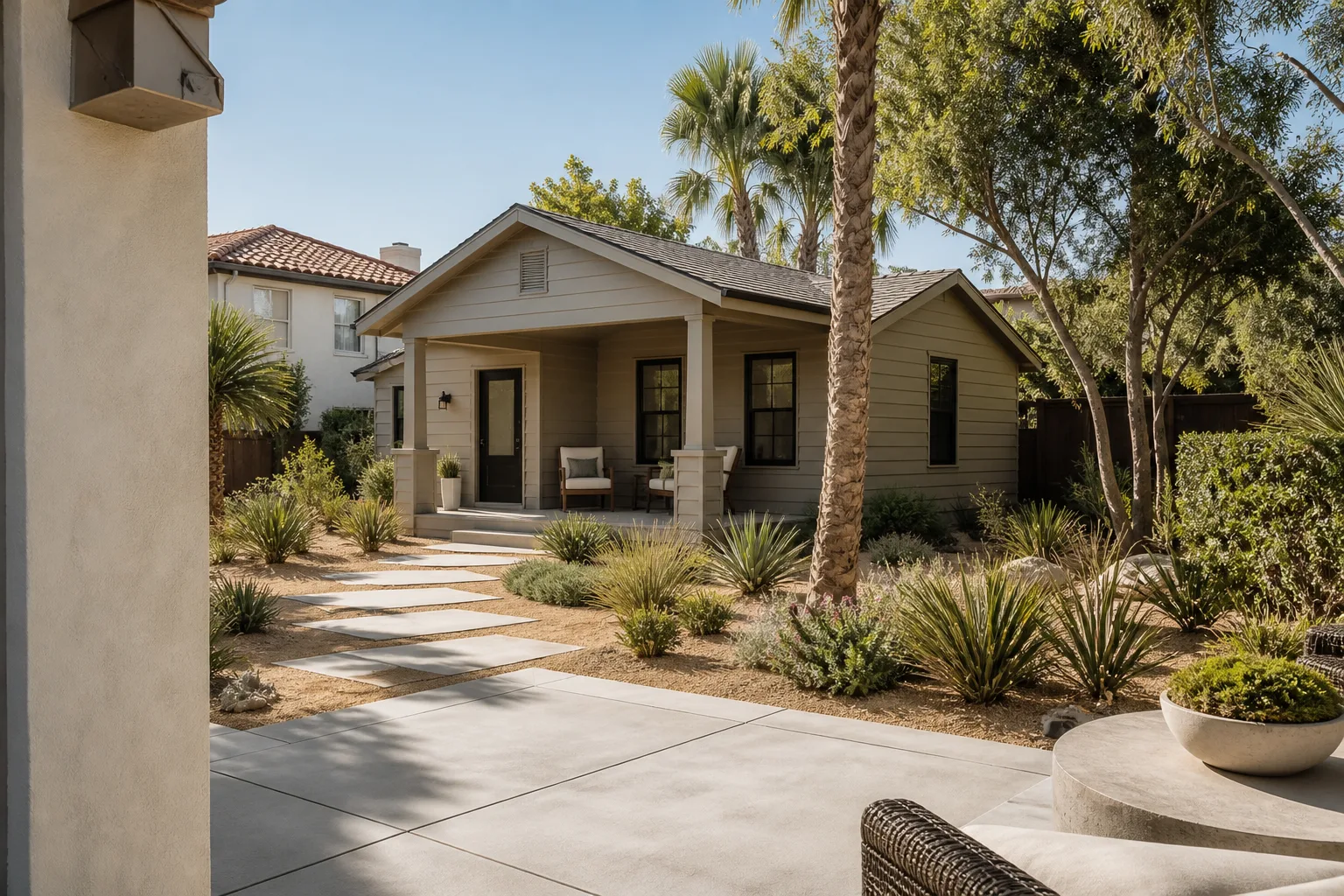
In Jacksonville, a full Tuff Shed-to-living-space conversion lands between $45,000 and $130,000. The spread comes down to four things: whether you need a new foundation or can work with what’s there, the square footage being finished, how much rough-in work is required (plumbing and electrical are the two biggest line items), and the level of interior finish. A basic studio conversion with a bath at the low end; a two-bedroom ADU with a full kitchen at the top.
What’s in our number, every time:
- Foundation and structural reinforcement – slab, piers, or tie-down upgrades per Florida code, plus any sill plate or joist repair.
- Building envelope – insulation, moisture barrier, ventilation, and any siding or roofing patches required to make the shell weathertight.
- Mechanical rough-in – electrical panel work, plumbing supply and drain lines, HVAC or mini-split installation. Pulled permits included.
- Interior finish – drywall, flooring, trim, doors, and any kitchen or bath fixtures. We quote name-brand materials so specs are traceable.
- Written guarantee – the 365-Day Done Right Promise covering all of our work for a full year.
We don’t give a number that moves at the door. The price we put in writing is the price you pay. If something hidden comes up during demo, we stop, show you what we found, and you approve the change before we touch it. No surprises, no change orders slipped in at closeout.
DIY or Call Us?
What you can safely do yourself: clear the shed out, take measurements, photograph the exterior and the floor from underneath, and note any water staining or rot you can see. That gives us a head start on the estimate. What you should not attempt: any structural modification, any electrical work, any plumbing rough-in, or cutting into the shell to add windows or doors. A Tuff Shed’s wall framing is not load-bearing in the way residential walls are, and if you cut a rough opening in the wrong place, you’ve compromised the whole structure. Same goes for lifting the shed to put down a new foundation: that’s a job for a crew with jacks, beams, and experience leveling in Florida soil, not a weekend with some bottle jacks and blocks.
Curtis Lane has walked more than a few Jacksonville properties where a homeowner started a shed conversion, got into the framing, and realized the permit hadn’t been pulled and the inspector wasn’t going to pass it. Scope it right the first time, the job goes a lot smoother when nobody’s surprised. Call (904) 337-5929 and we’ll come out, look at the shed, and give you a written scope with real numbers.
FAQs
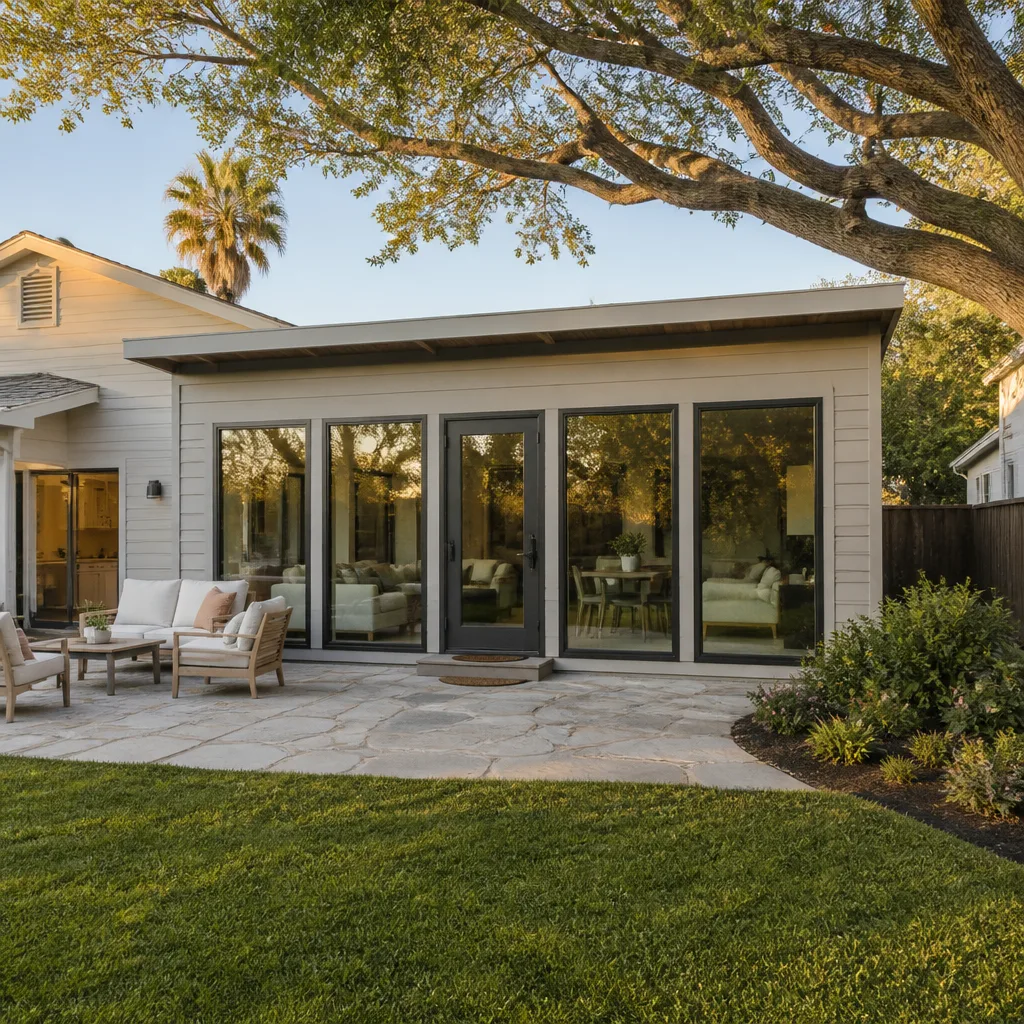
Done right, with a proper foundation, weather barrier, and residential-grade framing reinforcement, a converted Tuff Shed ADU in Jacksonville should last 30 to 40 years before any major structural work is needed. The wildcard is the original shell: if it sat on bare ground or piers for years before the conversion, you may already be dealing with sill plate rot that shortens that window. Call (904) 337-5929 and we’ll inspect the existing structure before quoting so you know exactly what you’re working with.
In most Jacksonville cases, yes. We repair and reinforce more Tuff Shed shells than we replace, because the framing is usually salvageable once we address the moisture and foundation issues. If the rot is isolated to a sill plate or a section of floor joists, that’s a targeted repair, not a teardown. Estimates are free, and we’ll show you what’s repairable versus what’s cheaper to replace before you commit.
Plan on 8 to 16 weeks for a full Tuff Shed ADU conversion in Jacksonville, depending on scope and permitting timelines with Duval County. Foundation work, rough-in inspections, and interior finish each eat their own slice of that. We sequence the work so inspections happen on schedule, and you get a copy of the written scope from day one.
We stock and supply everything on the material list, from framing lumber and insulation to the brand-name finishes we install: KraftMaid and Wellborn cabinetry, Cambria and Silestone surfaces, Kohler and Moen fixtures, GAF and James Hardie exterior products, Therma-Tru doors. You won’t be running to the supply house mid-project, and every product we spec has a manufacturer’s warranty behind it. Call (904) 337-5929 for a free estimate with the full material list in writing.
Written by Curtis Lane, Owner, Bradford Remodeling Co Jacksonville at Bradford Remodeling Co Jacksonville, serving Jacksonville and nearby areas.


