
Free written scope consultation - allowances, timeline, and change-order rules on paper before a single trade is scheduled
Cover Home Additions & ADU: The Jacksonville Owner’s Guide
A full home addition in Jacksonville typically runs $45,000 to $130,000, while an ADU (accessory dwelling unit) on your property lands between $90,000 and $220,000 depending on whether you’re converting existing space or building from a slab. We install and manage both, and we’re set up to take a project from permit drawings to the final punch list without handing you off between three different subs you’ve never met. Most homeowners don’t wake up one morning and say “the addition failed.” What actually happens is quieter than that: a roof tie-in starts leaking at the transition, the new slab settles and cracks the drywall, or the HVAC rough-in for the new space never gets balanced right, so the room you just built sits at 78 degrees in August while the rest of the house runs at 72.
We’ve seen the same sequence enough times in Jacksonville to know the pattern. The addition goes up fast. The crew disappears. And four months later, you’re standing in a room that smells like mildew because someone skipped a flashing detail at the roof-to-wall connection. That’s the part we fix, rebuild, and warranty in writing.
Which Cover Models This Applies To
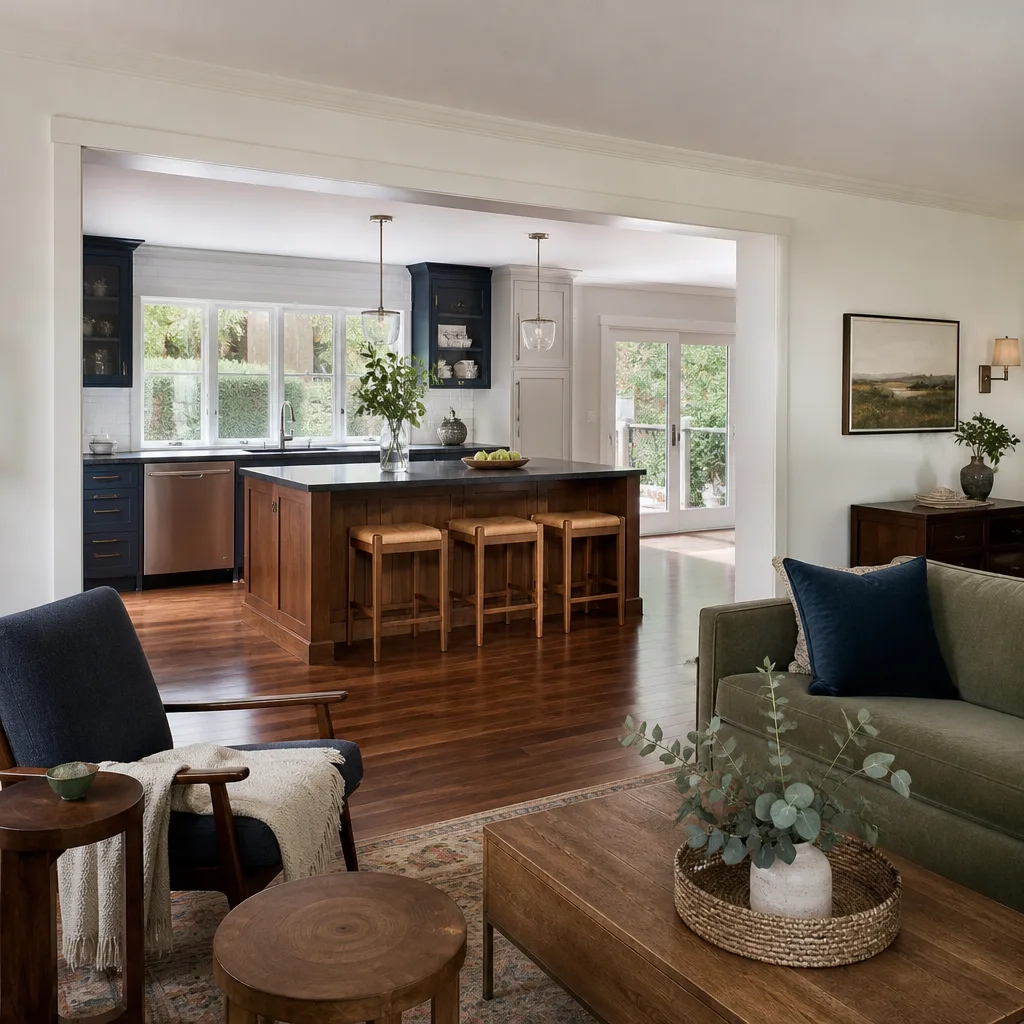
When we talk about “Cover” in the context of home additions and ADUs, we’re dealing with the building shell and the envelope, not a single manufactured component like a water heater or a garage door opener. The compatibility question is about your existing home’s structure: stick-frame versus block, gable versus hip roof, and the condition of the tie-in points where new framing meets old. In Jacksonville, most pre-1980 homes are block and most post-1990 production homes are wood frame on a slab. That matters because a stick-frame addition tying into a block wall requires different anchors, flashing, and waterproofing than the reverse.
We also stock and specify materials that play well with what’s already on your house. KraftMaid and Cambria show up in the finished interior, yes, but the structural compatibility check happens before any of that gets ordered. We verify roof pitch, eave height, existing foundation type, and load path before the plans get stamped. We are an independent Jacksonville contractor, not affiliated with any single product manufacturer, so when there’s a mismatch between what a salesman promised and what your house will actually accept, we say so before the first nail goes in.
Styles & brands we work with







Signs Your Home Addition or ADU Is Failing
- Water staining at the new-to-old roofline. The transition where new shingles meet old flashing is the first place a rushed addition fails. In Jacksonville’s summer thunderstorms, that gap shows itself within the first wet season.
- Cracks at the interior drywall joints between the addition and the original house. Differential settling of a new slab versus the existing foundation is normal to a point, but cracks wider than about 1/8 inch at the seam usually mean the footing wasn’t sized for Jacksonville’s sandy, compressible soil.
- A room that never holds temperature. If the new space runs ten degrees hotter than the rest of the house, the rough-in was undersized or the duct run is too long. Ductless mini-splits are the honest fix we recommend most often in Jacksonville for additions over a garage or detached ADUs.
- Doors and windows in the addition that stick by mid-summer. Humidity expansion is real here. If the framing wasn’t dried adequately before drywall, you’ll see sticking doors and buckling trim within the first year.
- A musty smell you can’t source. That’s usually vapor drive through an unsealed slab or a missing vapor barrier at the crawl transition. By the time you smell it, the fix is demolition-adjacent.
See the difference
 Before
 After
After Before
 After
After Before
 After
AfterReplacement Cost & What’s Included
We give you a written price before any work starts. Not an estimate that drifts, not a “we’ll see how it goes.” The number we hand you is the number you pay unless you change the scope. For repairing a failing addition tie-in, most Jacksonville homeowners spend between $4,500 and $18,000 depending on how deep the water damage goes. Full rebuilds of a poorly-flashed roof transition run higher.
For new construction, here’s the range we quote in Jacksonville:
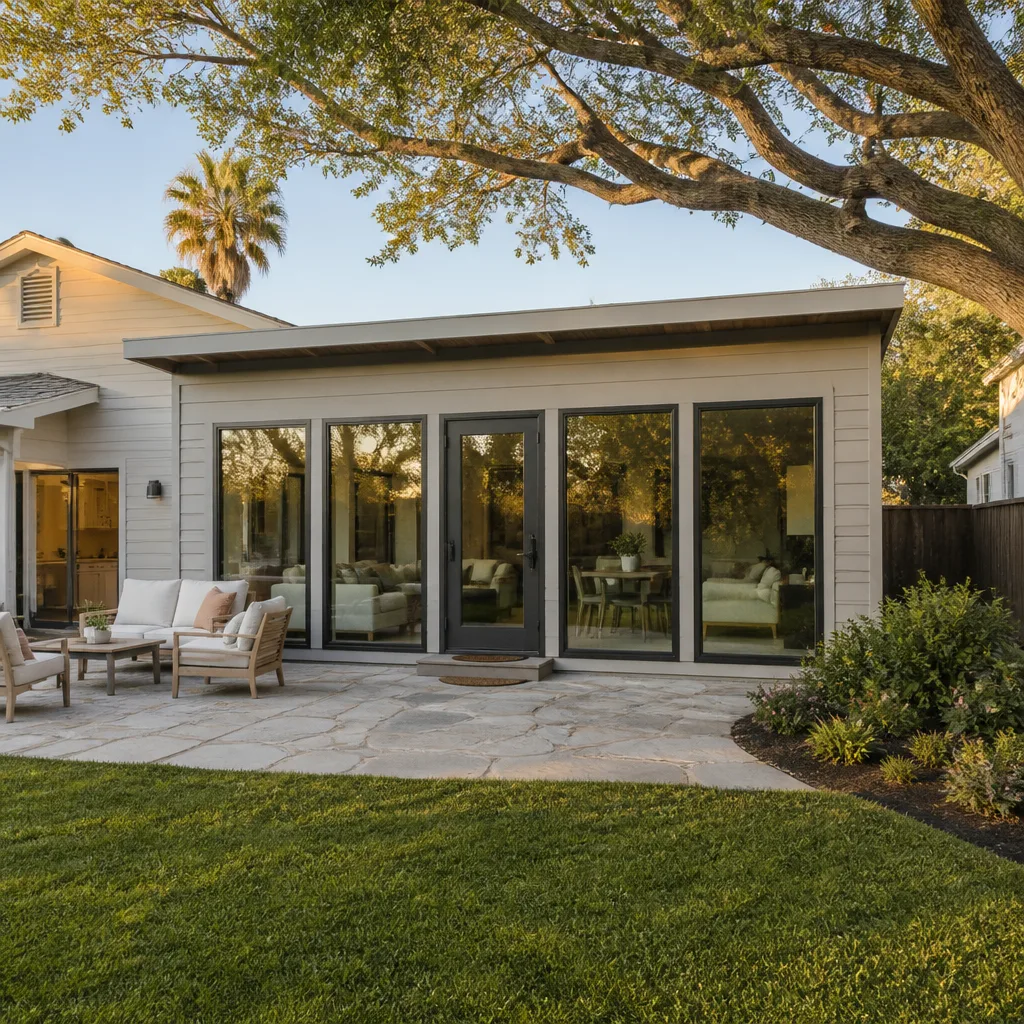
- Home addition (bedroom, bath, or family room): $45,000 to $130,000
- ADU construction (detached, new build): $90,000 to $220,000
- Garage conversion to living space: $30,000 to $80,000
- Structural tie-in repair (roof, flashing, settlement): $4,500 to $18,000
Every one of those numbers includes permits, plans, materials, labor, and a written 365-Day Done Right Promise. If something we built fails inside that first year, we come back and fix it at no charge. That’s not a verbal assurance. It’s a signed guarantee with Curtis Lane’s name on it.
DIY or Call Us?
Some of this you can watch for yourself. You can check for water stains after a hard Jacksonville rain. You can run your hand along the drywall seam between old and new construction and see if it’s moved. You can note whether the addition’s doors stick in August. Those are observations, not repairs, and they’re worth doing.
What you shouldn’t do is open up a roof transition, pull flashing, or cut into a load-bearing wall without knowing what’s carrying weight behind it. We’ve repaired additions where a homeowner pulled apart a roofline joint on a Saturday and spent Sunday tarping the house ahead of a storm. Roof work, structural work, and anything involving electrical rough-in or gas lines needs a trained crew. If you’re not sure whether what you’re seeing is normal settling or a structural problem, call (904) 337-5929 and we’ll take a look. The assessment costs you nothing.
FAQs
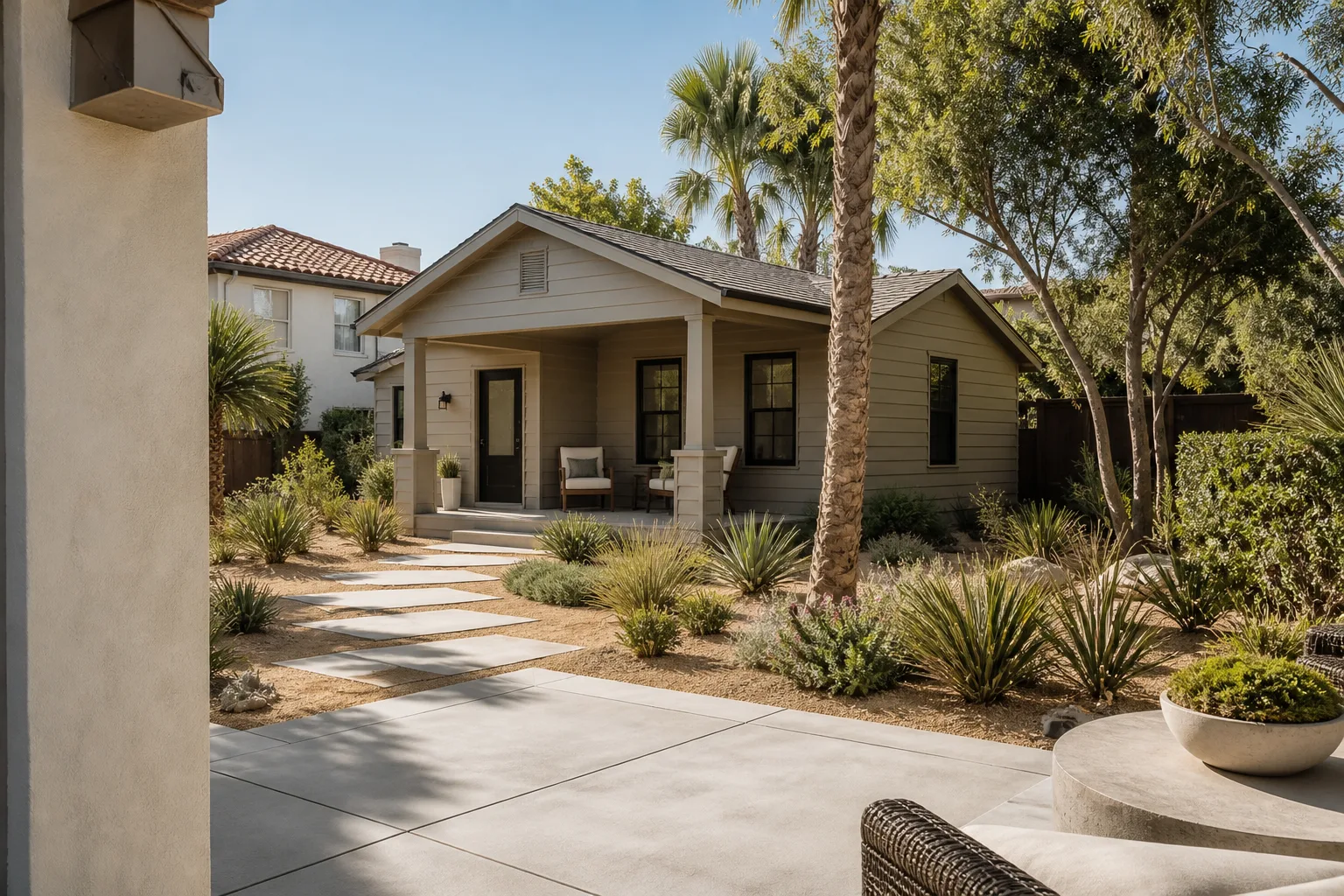
A properly built addition should last 50 years or more on the structural side, but the roof tie-in and flashing need attention every 15 to 20 years, and sooner if a hurricane or severe thunderstorm works a seam loose. In Jacksonville’s humidity, we tell homeowners to budget for a professional inspection of the tie-in every three years.
Most failures at the roof tie-in, flashing, or drywall seam can be repaired without tearing the whole addition down. The deciding factor is water damage behind the drywall. Once mold and rot reach the framing, you’re looking at selective demolition. Call (904) 337-5929 and we’ll tell you which situation you’re in before anyone opens a wall.
A standard room addition in Jacksonville runs 8 to 16 weeks depending on permitting city approvals and scope. Detached ADUs run 4 to 8 months. Repair work on a failing tie-in is usually done in 3 to 5 days. We lock the schedule in writing as part of the scope, and if we miss the date, you’ll know why before it happens.
We stock the common structural hardware, flashing, and tie-in materials on our trucks, and we order project-specific items from documented brands including KraftMaid, Cambria, and Silestone. We don’t carry every possible finish in inventory, but the structural components that keep your addition from failing in the first place are not backordered when we show up.
No. The written price we give you before work begins is the price you pay, unless you add scope that wasn’t in the original agreement. That’s The Garrison Standard, and it’s the way Bradford Remodeling Co Jacksonville has operated since 2004. No surprise line items at closeout.
Scope it right the first time, the job goes a lot smoother when nobody’s surprised. Call (904) 337-5929 to schedule your free estimate for a home addition repair or a new ADU, and we’ll put the numbers in writing before anything gets torn apart.
Written by Curtis Lane, Owner, Bradford Remodeling Co Jacksonville at Bradford Remodeling Co Jacksonville, serving Jacksonville and nearby areas.


