
Free written scope consultation - allowances, timeline, and change-order rules on paper before a single trade is scheduled
Abodu Roofing: The Jacksonville Owner’s Guide
Bradford Remodeling Co Jacksonville installs and services Abodu roofing systems throughout Jacksonville, with typical installed repair and replacement work running $400 – $1,800 depending on scope and the section of roof affected. We stock common Abodu-compatible components on our trucks, and most roofing repairs can be scheduled within days, not weeks. Most Jacksonville homeowners discover a problem the hard way: a water stain blooming across a bedroom ceiling after a heavy afternoon thunderstorm, or granules collecting at the bottom of a downspout after a windy stretch off the Atlantic. By the time you notice it inside the house, the roofing material has already been failing for a while.
Which Abodu Models This Applies To
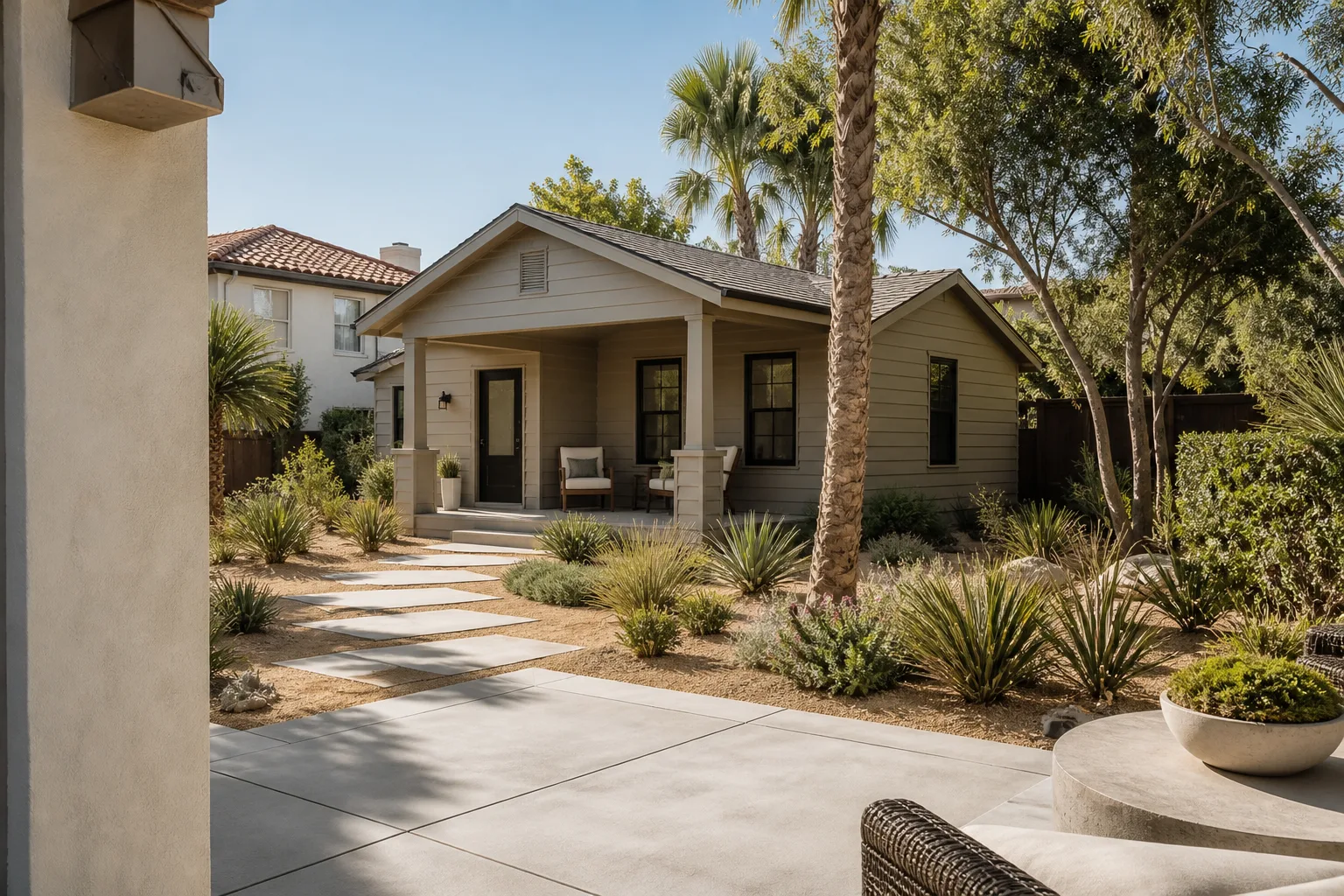
Abodu’s roofing systems use modular panel construction that differs from traditional stick-framed roofs in one important way: the roof panels arrive pre-assembled from the factory, which means the flashing details, panel seams, and connection points are set at the factory, not improvised in the field. For Jacksonville owners, what that means in practice is that a roof repair needs to match the panel spec, not just the shingle type. Abodu panels tie into the wall system at specific intervals, and the roofing membrane or shingle layer is applied over a factory-sealed substrate. If you’re identifying the right part, look for the panel ID sticker inside the roof access point or in the mechanical closet, then measure the roof slope and panel width. Abodu’s factory roof system is not something we take shortcuts on with generic flashing or mismatched underlayment. We use OEM-equivalent materials where they matter, and quality aftermarket equivalents only where the spec allows. One compatibility note specific to Abodu: the factory roof-to-wall transition flashing is sized to the panel thickness, not a universal dimension. If anyone tries to sell you a one-size-fits-all flashing for an Abodu roof, that’s the first sign they haven’t worked on one before.
Styles & brands we work with







Signs Your Abodu Roofing Is Failing
The Florida climate does not go easy on roofing systems, and Abodu is no exception. Heat, humidity, and airborne salt from the Intracoastal all work against the materials over time. Here’s what we see across Jacksonville:
- Ceiling water stains after rain: Water is getting past the roof membrane at a seam, a flashing point, or a damaged panel section. Stains usually appear hours after the rain stops, once the water has traveled along the panel underside. The entry point is rarely directly above the stain.
- Granules accumulating in gutters: Shingle surfaces are shedding their protective mineral layer. This accelerates dramatically in Florida’s UV exposure, and once granule loss is visible in the gutter, the shingle is in its final years. On an Abodu roof, this also means checking whether the factory-installed shingle layer is still the original material.
- Lifted or curled shingles near panel edges: Wind gets under the shingle at the panel transition points. Abodu’s panel edges create a slightly different wind profile than a continuous roof deck, and Jacksonville’s summer thunderstorm fronts know exactly where to pull.
- Visible daylight in the attic or roof cavity: A gap has opened at a seam or flashing transition. This is a direct water and pest entry point, and it will get worse. On modular panel roofs, seam failure can start small and open up fast once the substrate gets wet.
- Musty smell or condensation in the roof cavity: Trapped moisture is sitting inside the panel assembly. This usually means a slow leak has been present for weeks or months without showing itself on the ceiling, and the damp substrate is now growing mold. Jacksonville humidity makes this scenario more likely and more damaging.
See the difference
 Before
 After
After Before
 After
After Before
 After
AfterReplacement Cost & What’s Included
For Abodu roof work in Jacksonville, most repairs fall between $400 and $1,800 installed. A localized flashing replacement or seam repair at one panel lands at the bottom of that range. A section repair involving multiple panels, underlayment replacement, or structural substrate work climbs to the top. Full roof replacement on an Abodu home, including tear-off, new underlayment, and roofing material, runs $8,000 – $20,000 depending on the roof’s square footage and the material you choose. Before any work starts, you get a written price that breaks out materials, labor, and what we’re doing to the substrate. No number moves at the door. Every completed roofing job carries our 365-Day Done Right Promise: if the repair or replacement fails inside a year, we come back and correct it at no charge. That guarantee is in writing, and Curtis Lane stands behind it.
DIY or Call Us?
There are two safe things a Jacksonville homeowner can do on an Abodu roof: visually inspect from the ground with binoculars, and clear gutters. That’s it. Roof work means getting on a ladder and onto the roof surface, and that is where we tell people to stop. A Jacksonville roof in July is hot enough to burn skin on contact, and a wet panel or the wrong foot placement on a modular seam can turn a $400 repair into an emergency room visit. We’ve also followed behind DIY attempts on Abodu roofs where a homeowner caulked a seam shut from the outside and trapped water inside the panel. What should have been a simple flashing fix turned into substrate replacement. If you suspect a leak, call us at (904) 337-5929. We’ll inspect it, tell you what’s actually wrong, and give you a written number for the fix. Scope it right the first time, the job goes a lot smoother when nobody’s surprised.
FAQs
An Abodu roof in Jacksonville’s climate typically lasts 15 to 25 years depending on the roofing material, sun exposure, and whether the original installation kept the panel seams properly detailed. Coastal-adjacent homes tend to land at the lower end. Call (904) 337-5929 if you want us to assess the remaining life on your specific roof.
Yes, most Abodu roof problems in Jacksonville are repairable if caught before the substrate is compromised, and we handle flashing, seam, and shingle repairs regularly. Once water has been sitting in the panel assembly and the substrate is soft, the repair scope grows fast. The inspection tells us which path you’re on.
A typical Abodu roof repair in Jacksonville takes one day from setup to cleanup for a localized flashing or shingle fix, though we stage the work around Florida’s storm cycle. Soffit damage or multiple-panel work can stretch to two or three days. We tell you the timeline in writing before we start, and we hold to it.
We stock common Abodu-compatible flashing profiles and sealants on our trucks for the repairs we see most often in Jacksonville, and we source panel-specific components directly from our supplier network when needed. We also hold parts for KraftMaid, Cambria, and Silestone systems so homeowners with multiple systems in one home have a single point of contact.
Written by Curtis Lane, Owner, Bradford Remodeling Co Jacksonville at Bradford Remodeling Co Jacksonville, serving Jacksonville and nearby areas.


