
Last updated October 16, 2026
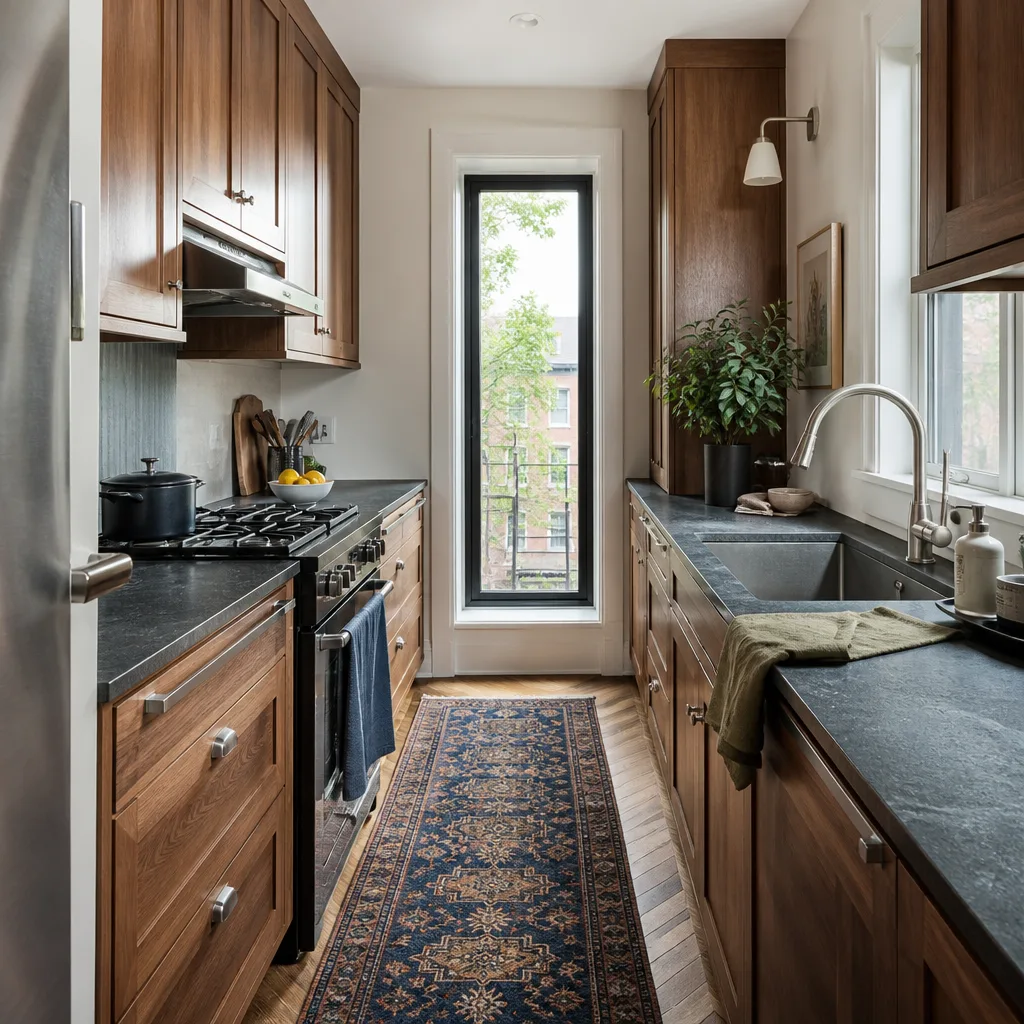
Free written scope consultation - allowances, timeline, and change-order rules on paper before a single trade is scheduled
The Complete Guide to Construction in Jacksonville
Jacksonville permitted over 14,000 residential construction projects in a single recent year, yet the city’s Building Inspection Division routinely flags moisture barrier and foundation errors as the top re-inspection causes. That pattern is not random. It is what happens when contractors trained on inland Florida specs work a coastal city built on clay, sand, and salt air. This guide maps the full lifecycle of a Jacksonville construction project against those local realities. You’ll learn what actually drives cost, what the permit office checks first, and where project budgets break in this specific market. For more guides & resources, visit our blog.
Quick Answer
Construction in Jacksonville, FL means working inside a hurricane corridor, on expansive clay or sandy fill, and under a municipal code that enforces coastal moisture standards more strictly than most contractors expect. A typical residential project in Jacksonville runs $85 to $165 per square foot depending on scope, finish level, and whether the work sits east or west of the St. Johns River. The smartest move is to lock a written price before permits are pulled, because the most common budget overruns in Jacksonville come from foundation surprises, flood-zone elevation adjustments, and moisture remediation that should have been priced in from day one.
Styles & brands we work with







Table of Contents
- Jacksonville’s Soil Profile and What It Means for Your Foundation
- Saltwater Corrosion and Coastal Fastener Specs
- COJ Permits vs. St. Johns and Duval County Permits
- How to Read a Jacksonville Construction Draw Schedule
- The Jacksonville Projects That Consistently Run Over Budget
- Material Choices That Actually Last in Northeast Florida
- Common Mistakes to Avoid
- When to Call a Professional
Jacksonville’s Soil Profile and What It Means for Your Foundation
The ground under Jacksonville is not one thing. That is the first fact any construction plan needs to absorb. Drive through Ortega or Avondale and you’re on layers of expansive clay that swell when wet and shrink when dry. Build near Atlantic Beach or Neptune Beach and the substrate is sandy fill, porous and shifting. These two profiles demand different foundation approaches, and a contractor who pours the same slab everywhere is going to hand you problems inside of five years.
In Westside neighborhoods where the clay is heavy, we’ve seen slabs crack along predictable stress lines when the soil’s moisture content cycles through wet and dry seasons. The fix starts before the pour: deeper footers, proper compaction, and in some cases pier support that reaches past the active clay layer. A moisture barrier under the slab matters more here than on sand. On the sandy fill near the beaches, settlement is the quieter risk, especially where older lots were built on unengineered fill decades ago.
Here is the practical framework for any Jacksonville homeowner planning a foundation-dependent project:
- Clay zones (Westside, parts of the Northside, Argyle, Chimney Lakes): Budget for soil testing before finalizing a foundation design. Expansive clay under a slab without proper reinforcement is the leading cause of the hairline cracks that show up in drywall two years after a remodel.
- Sandy fill zones (Beaches, Intracoastal corridors, parts of San Marco near the river): Ask whether the lot has original soil or imported fill. If fill is present, compaction records matter. If no records exist, a geotechnical report is the cheapest insurance you’ll buy on the entire job.
- Flood-zone overlay (anywhere FEMA designates AE or VE): Foundation choice is not optional. Elevated stem walls or pier systems are often required, and the cost difference is significant. This is not a place to negotiate down.
Bradford Remodeling Co Jacksonville runs every project through a site-specific evaluation before we price anything. That is part of The Garrison Standard: no generic numbers, no assumptions about soil that real dollars will have to correct later.
Saltwater Corrosion and Coastal Fastener Specs
Salt air is an abrasive. It attacks fasteners, flashing, and cladding at a rate that inland construction specs never account for. A galvanized nail that lasts twenty years in Middleburg can start showing rust bloom in five years within two miles of the Intracoastal. This is not a cosmetic issue. Rusted fasteners lose structural grip, and compromised flashing lets water into the wall assembly, which is exactly what Jacksonville inspectors find during re-inspections.
The fix is specific, and it starts with the fastener schedule. In saltwater-adjacent zones, we specify stainless steel or coated fasteners rated for coastal exposure, not standard electro-galvanized. The cost difference on a whole-home remodel runs a few hundred dollars. The cost of replacing rust-failed siding or sheathing runs into the thousands.
Here is a numbered checklist of what coastal-grade construction in Jacksonville actually requires:
- Fastener spec: Type 316 stainless or equivalent ceramic-coated fasteners for any exterior application within three miles of saltwater. That includes deck screws, siding nails, and roof clips.
- Flashing detail: Lapped flashing with a minimum overlap that exceeds code, plus sealant at all transition points. Water gets driven sideways in Jacksonville storms, not just downward.
- Cladding choice: Fiber cement (James Hardie, which Bradford installs) or engineered wood rated for humidity and salt spray. Untreated wood siding is a recurring maintenance bill.
- Hardware on gates and fences: Aluminum or powder-coated steel. Brands like Bufftech and Jerith engineer their aluminum fence systems specifically for coastal environments, with stainless hardware as the standard, not an upgrade.
- Roof components: Galvanic corrosion protection at any point where dissimilar metals meet. That includes valley flashing against aluminum drip edge and any steel strap contacting copper.
What we’ve seen across Jacksonville is a pattern: the same remodel built ten miles inland and two miles from the beach ages differently by a decade. Coastal specs are not an upsell. They are the baseline for work that lasts.
COJ Permits vs. St. Johns and Duval County Permits
Jacksonville’s municipal boundaries are enormous, the largest city by land area in the contiguous United States. That creates a permitting geography that confuses homeowners. See Construction Permits, Codes & Inspections in FL: What You Need to Know for deeper context. Most of Duval County falls under City of Jacksonville (COJ) jurisdiction, but not every address. Parts of the Beaches communities, Baldwin, and Atlantic Beach operate under their own permitting paths, and St. Johns County starts at the county line south of Nocatee.
The distinction matters because permitting timelines, inspection schedules, and code interpretations differ by jurisdiction. A contractor who does most of their work in St. Johns County may not know the specific COJ requirements for an in-law suite conversion in Mandarin, and that knowledge gap shows up as failed inspections and stalled jobs.
Here is the plain breakdown of what we’ve learned running general contractor work in Jacksonville across multiple jurisdictions:
- COJ permit (City of Jacksonville): Required for most structural, electrical, plumbing, and mechanical work inside city limits. Inspection requests run through the city’s online portal. The Building Inspection Division’s most common re-inspection triggers are moisture barrier details, foundation reinforcement documentation, and wind-load calculations for roof work.
- Beaches communities (Atlantic Beach, Neptune Beach, Jacksonville Beach): These municipalities issue their own permits and enforce their own elevation codes, often stricter than COJ because of direct coastal exposure. If your address says “Jacksonville Beach,” you are not pulling a COJ permit.
- Duval County unincorporated pockets: A shrinking list, but some parcels still route through county-level processes. Your property appraiser’s record will show the permitting authority, and it’s worth confirming before any work is priced.
- St. Johns County: Starts south of the Duval line and runs through St. Augustine, Ponte Vedra, and Nocatee. Different fee schedule, different inspection office, different plan review turnarounds.
If any contractor tells you a permit isn’t needed for work you suspect is structural, check the COJ website yourself. Unpermitted construction in Jacksonville becomes a title problem when you sell, and an insurance problem if the work fails. No reputable Jacksonville contractor should push you away from a permit.
How to Read a Jacksonville Construction Draw Schedule
A draw schedule is a payment roadmap. It breaks your project into milestones, and each milestone releases a percentage of the total contract price when completed and approved. In Jacksonville, where construction loans and cash financing both operate, the draw schedule is where unscrupulous contractors gain leverage and disciplined contractors earn trust.
The Garrison Standard approach, which is how Bradford Remodeling Co Jacksonville runs every job, puts the draw schedule in writing before any work begins. That is non-negotiable. If you sign a contract without a draw schedule, you have signed a blank check.
Here is what a healthy draw schedule for a typical Jacksonville whole-home remodel looks like:
- Initial deposit (10-20%): Covers mobilization, permit fees, and materials ordering. This is paid upfront and should never exceed what is needed to actually start.
- Demolition and rough-in complete (25-30%): Released only after framing, plumbing rough-in, electrical rough-in, and HVAC rough-in pass inspection. In Jacksonville, the inspection record is your proof, not the contractor’s word.
- Dried-in milestone (20-25%): Roof, windows, and exterior envelope are complete. The structure is weather-tight. This matters in a hurricane corridor.
- Drywall and finishes complete (25-30%): Walls closed, flooring installed, cabinetry and trim set. Most of the visible work is done at this point.
- Final completion (10%): Held back until punch list items are resolved, final inspection passes, and you receive the written warranty. Never pay the final draw before the final inspection results are in your hand.
For home remodeling in Jacksonville, the most common draw schedule abuse is front-loading. A contractor who demands 50% before demolition starts has not priced the job, they have financed it with your money. A straight schedule aligns payment with progress. If a milestone fails inspection, that draw does not release. That is the discipline a written price and a written schedule give you.
The Jacksonville Projects That Consistently Run Over Budget
Some project types in Jacksonville blow their budgets more predictably than others. This is not about bad luck. It is about local conditions that honest pricing should anticipate but often does not. When we review bids from other contractors in Jacksonville, the same three project categories show the same unpriced gaps. Our Construction Cost Breakdown: The Jacksonville Homeowner’s Reference for 2026 details how these add up.
Additions. Adding square footage in Jacksonville means extending a foundation, which triggers soil questions, which trigger engineering questions. On clay-heavy lots, that often means more piers or a thicker slab than the original plan assumed. The addition itself might price at $140 per square foot, but the foundation correction can add $15 to $25 per square foot. That is the number homeowners never see in the first bid.
Garage conversions. Jacksonville has thousands of two-car garages sitting on slabs never designed for conditioned living space. Converting one to a bedroom or apartment means raising the floor, adding insulation, running new electrical, and often replacing the slab edge for moisture control. Code also requires a minimum ceiling height and egress window. The conversion runs 20-40% more than the initial sweep estimate when all of that is priced honestly.
Flood-zone elevations. If the home sits in an AE or VE flood zone, any substantial improvement can trigger elevation requirements. That can mean lifting the structure, which is a six-figure proposition on the high end and not a remodel scope at the low end. Even partial compliance, like elevated mechanicals and flood vents, adds cost that inland bids simply omit.
The discipline here is unglamorous: price the unseen conditions before you start, not after the surprise. Kitchen remodeling in Jacksonville rarely carries these structural risks, which is why kitchen remodels stay tighter on budget than additions or conversions. Knowing which project type you’re in tells you how much contingency to hold.
Material Choices That Actually Last in Northeast Florida
Jacksonville’s climate punishes certain materials and rewards others. Humidity runs high year-round, summer thunderstorms arrive almost daily, and the sun’s UV index runs hard from April through October. The material decisions you make during planning determine whether a project looks good for three years or fifteen.
Our material roster at Bradford Remodeling is built on brands that publish specs and back warranties, because we have learned not to trust unproven products in this climate. That means James Hardie fiber cement for exterior cladding, GAF shingles rated for high wind, KraftMaid and Wellborn cabinetry that holds dimension through humidity cycles, and Cambria or Caesarstone surfaces that will not delaminate under heat and moisture. Kohler and Moen fixtures carry their own warranties, and we stand behind the installation with the 365-Day Done Right Promise.
For exterior structures, the same logic applies. Aluminum fence systems from manufacturers like Jerith and Bufftech are engineered for salt air exposure, with powder-coated finishes and stainless hardware as standard. Master Halco produces the structural posts and rails we use for heavier gate systems and privacy screening. These are not decorative choices. They are mechanical choices: the difference between a gate that swings clean for a decade and one that binds and rusts within three years.
Here is the straightforward guideline we use for Jacksonville material selection:
- Everything exposed to weather gets rated for coastal exposure. If a product sheet does not specify UV stability or salt spray resistance, it does not belong on a Jacksonville exterior.
- Interior materials must handle humidity swings. Solid wood that expands and contracts in Northeast Florida’s wet summers needs proper conditioning and installation clearances. Engineered products are often more stable.
- Warranty documentation gets copied to you at close. The manufacturer’s warranty and our 365-Day Done Right Promise both go in writing. That is part of what “squared away” means at job close: clean site, documented scope, signed written guarantee in the homeowner’s hand.
Common Mistakes to Avoid
- Pricing a coastal job with inland specs. A bid based on standard galvanized fasteners and builder-grade flashing will either get rejected at inspection or fail early. Both outcomes cost more than doing it correctly the first time.
- Skipping the soil test on a slab project. A $1,500 geotechnical report is the cheapest line item on a foundation project. Skipping it is how Jacksonville homeowners end up with slab cracks the builder never priced.
- Pulling the wrong permit for the address. Jacksonville’s municipal boundaries are the largest in the lower 48, and “Jacksonville” addresses can fall under Beaches or county jurisdiction. Confirm the permitting authority before any work starts.
- Accepting a draw schedule without inspection triggers. A draw schedule that pays on “progress” without defining what progress means gives the contractor the leverage. Inspection milestones are the only objective trigger.
- Choosing the cheapest bid on an addition or conversion. The low bid on these project types in Jacksonville is almost always the bid that omitted the soil correction, the flood-zone requirement, or the elevation detail. You pay for it later as a change order.
- Ignoring flood-zone status during planning. If your property is mapped in an AE or VE zone, substantial improvement rules apply. Knowing this before design saves months and tens of thousands of dollars.
- Not getting the warranty in writing at close. Verbal promises dissolve. A written guarantee, like the 365-Day Done Right Promise, has terms you can enforce. If the work fails inside the guarantee period, the contractor returns and corrects it at no charge. That sentence belongs in your contract.
When to Call a Professional
Some Jacksonville construction work is genuinely dangerous to attempt, and the line is not always obvious. Any project involving structural changes to load-bearing walls, foundation repair, or roof framing should be handled by a licensed professional. See Construction Warning Signs: A Jacksonville Homeowner’s Reference Guide for red flags to watch for. Say it plainly: a failed structural repair can collapse. Electrical panel work and gas line connections carry the same weight. The risk is not inconvenience. It is fire, explosion, or structural failure.
Even on non-structural work, Jacksonville’s inspection process demands documentation that a homeowner cannot produce alone. Permit drawings, engineered calculations, and material specifications have to be submitted correctly the first time. When the scope exceeds a paint job or a faucet replacement, that is the threshold for Bradford Remodeling Co Jacksonville. We offer free estimates in Jacksonville, and every estimate includes a written price before any work starts. Call (904) 337-5929 to schedule one. A live person answers, day or night.
See the difference
 Before
 After
After Before
 After
After Before
 After
AfterFrequently Asked Questions
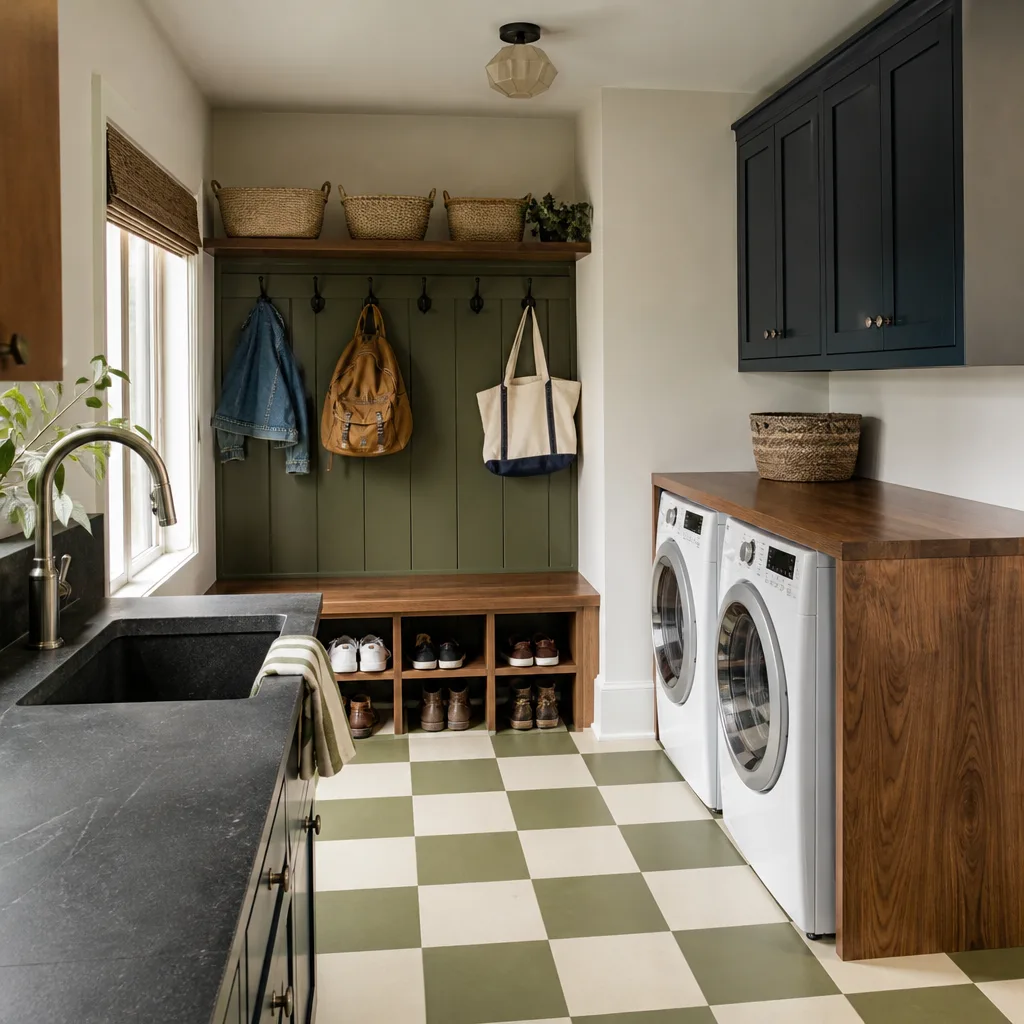
Jacksonville residential construction typically runs $85 to $165 per square foot depending on whether the project is a remodel, an addition, or new construction, and where the site sits relative to the coast and flood zones. Coastal-grade fastener and cladding requirements add cost near the beaches, while clay-heavy soils on the Westside can add pier and foundation reinforcement costs. Call (904) 337-5929 for a written price on your specific project, no strings attached.
Yes, most structural, electrical, plumbing, and mechanical work inside Jacksonville city limits requires a COJ permit, and the Beaches communities issue their own permits with stricter elevation codes. Confirm your permitting authority by checking your property appraiser’s record, then verify the permit is pulled before any contractor starts. Bradford Remodeling handles the permit process as part of every project, including the drawings and inspection schedules.
The 365-Day Done Right Promise is Bradford Remodeling’s written guarantee on every completed project: if the work fails inside a full year, we return and correct it at no charge. It is part of The Garrison Standard and it is documented in writing at job close. You receive the signed guarantee with your final walkthrough.
The consistent overruns in Jacksonville come from soil conditions, flood-zone requirements, and coastal moisture details that were not priced in the original bid. Additions or garage conversions on clay or fill are the most common places these gaps appear. A written price with site-specific evaluation, which Bradford provides before any work starts, prevents the surprise invoice at the door.
Yes. Within a few miles of saltwater, exterior fasteners, flashing, and cladding need coastal-grade specifications, including stainless steel fasteners and materials rated for salt spray. Standard galvanized hardware fails early in that environment, and the damage occurs inside the wall where it is expensive to fix. We specify coastal-rated products from brands like James Hardie, GAF, and Jerith for beach-adjacent work.
A typical kitchen remodel in Jacksonville takes six to ten weeks from demolition to final inspection, depending on permit review times, material lead times, and whether any structural work is involved. Cabinetry from KraftMaid or Wellborn and surfaces from Cambria or Caesarstone carry their own production schedules. Bradford Remodeling gives you a written timeline with the written price, so the schedule is part of the contract, not a verbal hope. Call (904) 337-5929 for a free estimate.
The Bottom Line
Construction in Jacksonville is different from construction anywhere inland, and the difference shows up in foundations, fasteners, permits, and budgets. The city’s clay-heavy Westside and sandy coastal fill demand site-specific engineering. Its salt-air environment demands coastal-grade materials. Its permitting geography demands knowing which jurisdiction governs your address. And its draw schedules demand inspection-triggered milestones. The single most useful decision a Jacksonville homeowner can make is to work with a contractor who prices all of this in writing before the first tool comes out. That is the discipline Bradford Remodeling Co Jacksonville runs on, backed by the 365-Day Done Right Promise and The Garrison Standard. Call (904) 337-5929 for a written estimate. A live person picks up.
Written by Curtis Lane, Owner at Bradford Remodeling Co Jacksonville, serving Jacksonville since 2004.


